Camper Life

As of writing, I've lived in a camper (or RV as a generalized term) for one and a half years. At the rate things are going, I'll probably still be living in one for the next two to three years.
I've talked to many people over the last year and a half about the experience. I thought I should document what I've learned about it, partly to help others if they decide to tread a similar path, partly because I'm bored.
The Boring Story That Always Proceeds the Useful Info
This section is collapsable because nobody actually cares, they just want the useful info. Feel free to skip it!
The first and most obvious question is "why?" There are some upsides to living in a camper (and numerous downsides), which we'll eventually cover. But, first, I want to start with why I decided to move into a camper, mostly to get this bullshit off my chest once and for all and so people in similarly desperate situations know there just might be a way out.
A Failing Project and Things to Consider
I can't talk about the details, but in late 2023 and early 2024, I was working remotely for a company as a software engineer (SWE). The project I was assigned to was not going well and I was beginning to fear that the entire team would be fired because of it.
I had these problems:
- I was looking down the barrel of unemployment.
- The economy wasn't nearly as good as anyone wanted to admit.
- Companies are starting to trim down their remote SWE staff.
- In-person SWE positions in southern Missouri are few and far between.
- I'd really rather not move to a big city and would like to move to a smaller place if possible. Smart companies will realize the best of the best can be attracted by remote work, right?
But, I did have some blessings that I recognize that most people don't have:
- I wasn't unemployed yet.
- I was employed remotely.
- I was/am a software engineer: even though I was way underpaid for the role and skills I brought, I was still paid well above the state median income.
- I have a modicum of self control and good enough health: I had no debt aside from a custom ordered 2024 Ford Maverick that I had just taken delivery of and a mortgage on the house I lived in.
- I had a very healthy savings account.
- I am single, with no children, and only had myself and a cat to feed.
- The place I wanted to move to had small, rundown houses that I could pay cash for. These houses needed a lot of work, were only ~600 sqft, and were basically in the middle of nowhere, but that was ok.
So, my best choice was pretty obvious: put the house on the market, hopefully sell it, and buy a house with cash. If/when I lost my job, I'd hopefully either find a new remote job reasonably quickly or I could find some minimum wage job to help pay property taxes and food.
What could possibly go wrong?
A Few More Weeks and This Page Wouldn't Exist
I checked old text and Discord messages to build a timeline of events. I'm still in awe how quickly everything started to fall apart:
- 14 March 2024: I decide to pull the trigger, shove stuff into storage, and put the house on the market.
- 15 March 2024: I message my realtor about selling the house and she visits later that day to advise and discuss details. We decide we'll put the house on the market on 23 March (Saturday). I also schedule PTO for 21/22 March (Thursday/Friday).
- 20 March 2024: While working, I get a request for a "quick meeting" from the VP that was directly managing our team. Good news: I'm not fired. Bad news: I'm recalled to the office starting 25 March (Monday). No sympathy for my plan to sell my house, but agreed that we could discuss it further with HR on 27 March (Wednesday). He said it'd probably be temporary until we can figure it out. I'm sure it'd take months to get an offer anyway.
- 23 March 2024: The house is on the market, for way more than I paid for it.
- 26 March 2024: After 3 very annoying days of realtors giving tours of the house (and one failing to follow instructions to close the damn door and letting Ziggy out into the garage), I get an offer on the house. For full price. After 3 days. I accept it. I'll get to work remotely again shortly and I'll not get a better chance to sell the house. Closing date: 1 May.
- 27 March 2024: The meeting with the VP and HR. TL;DR: no sympathy. There will be no remote work until at least my review in May because the project I was working on was failing. They aren't even sure why I was allowed to work remote in the first place. They even ask if I can back out of the contract on the house.
Well, fuck.
2 weeks from normal to having a contract on the house, no place to live, and I can't even move back to Mom's house because now I have to be in the office. A few more weeks and I would have had the house sold and either a contract on a new house or moved back to Mom's. The company would have either had to pound sand or lose a very talented engineer (not my words, my old boss').
Discussing the problem with Mom, we thought of a few solutions:
- Back out of the contract on the house. Stupid, stupid idea. It is a contract. Do you want to risk getting sued? Not to mention, when else would I get a chance to get rid of that house? It turns out, I managed to sell it just before the market slowed way down!
- Be unemployed for an unknown amount of time and live off savings as planned or at Mom's. Definitely at risk if the buyers don't follow through. Plot twist: they didn't, but I had a new contract by the end of that day. Further spoilers: it took me another year and a half to find a new remote job.
- Short term apartment rental. My yearly review was within the range of a short term rental. Maybe ok if I get to work remote again, but its on very short notice and they aren't cheap. The VP and HR were also obviously trying to keep me from just walking out. They already knew what was going to happen. It's out of scope for a public post, but spoilers: there was no more remote work from that company. I'm valuable, but not that valuable.
- Long term apartment rental. My first and last time renting an apartment (when I moved to take the job) was such a bad experience I'd rather be homeless or live in my car! This also would have given the company the option to avoid giving me a real answer with "well, you already have a lease, you can keep coming to the office."
- A camper. Its my own little place to call home and its on wheels! There are plenty of upsides and downsides. Some I knew of ahead of time and a lot I didn't. Hence this page!
TL;DR: When life gives you lemons, make a reckless decision to move into a camper on short notice. Disclaimer: this is not life advice.
Acquiring Your RV
With the boring story out of the way, I learned all of this by owning two different campers. The first one was bought on short notice and was pretty small. The second one was larger and I got it from family for very little money, but I had to wait until they moved out of it first, which wasn't going to be before I needed a place to stay.
Trailer Vs Motorhome
The first decision you'll need to make is if you want a trailer or a motorhome. A trailer will require a truck to move it and a motorhome is self propelled. Which to pick is a matter of preference or what's available around you.
If you intend to travel a lot, you'll need to decide if the tow truck is good enough for local use once you're at your destination or if you want to tow a smaller vehicle behind a motorhome. The power train on a motorhome can be very annoying to work on and they'll typically cost more than a similarly sized trailer.
Water Sucks, It Really, Really Sucks!
There are 3 kinds of RVs:
- Those with water damage.
- Those with water damage you can't see.
- Those that haven't been rained on.
RVs are designed to be lived in for two weeks out of the year. This means that everything is built to be as cheap as possible, which means a lot of particle board is used. There is one thing particle board hates: water. It will quickly lose structural integrity and/or rot if it is regularly exposed to water.
RVs are also wobbly things with not much holding them together. There isn't much more than silicon seals to keep the water out. When those seals fail, and they will fail, water gets in.
You're most likely to find a failed seal on the top of a camper, where the front of the roof meets the curve of the front shell. Just below the front shell is often the master bed. It isn't fun waking up to water boarding.
Note: this isn't the only place you can find a failed seal.
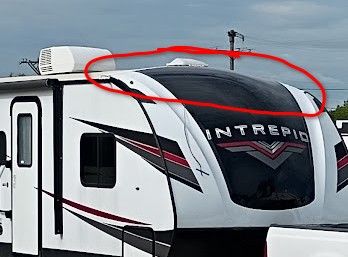
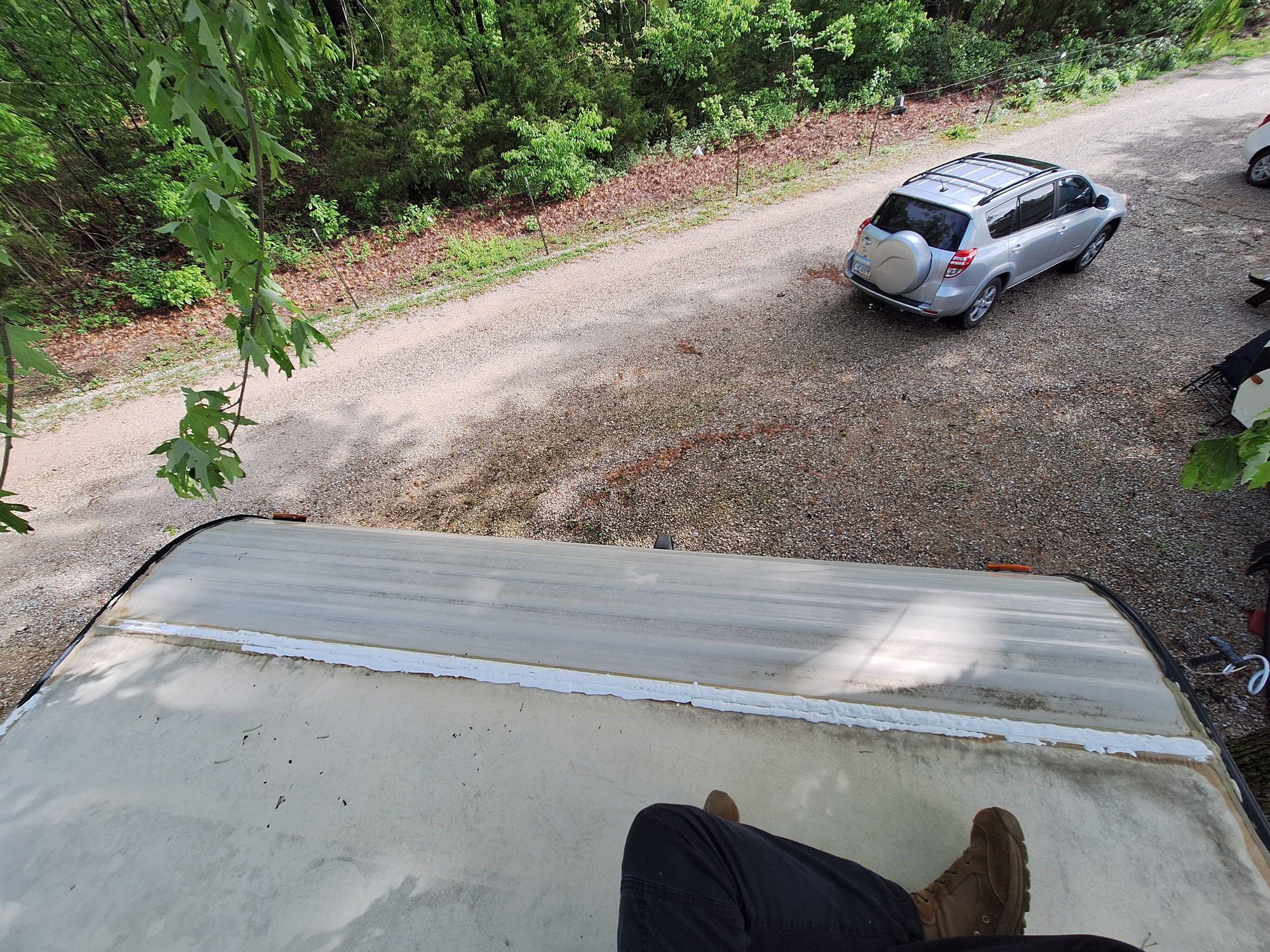
The most likely place to find a failed seal. I had this place leak on both of my campers.
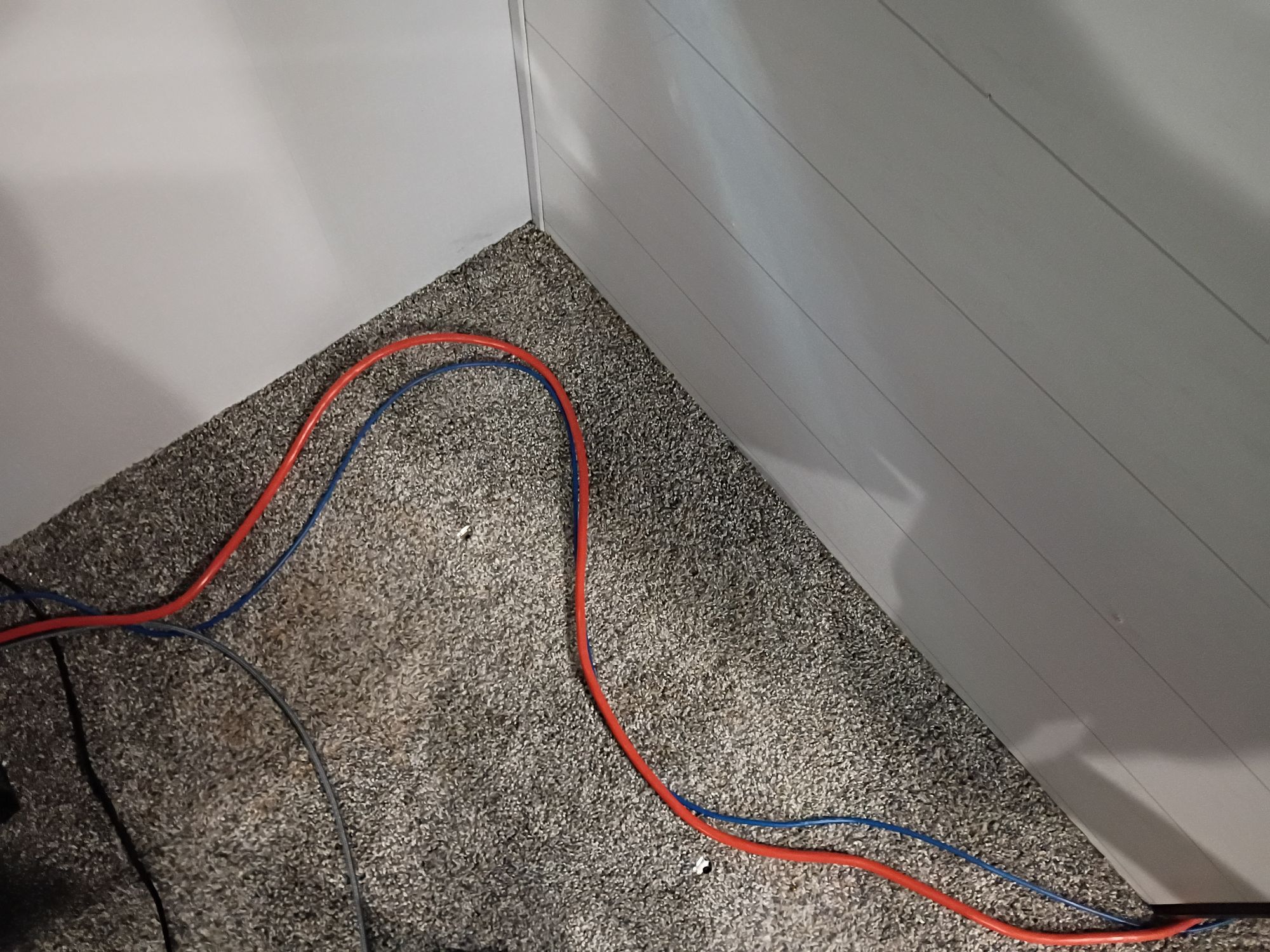
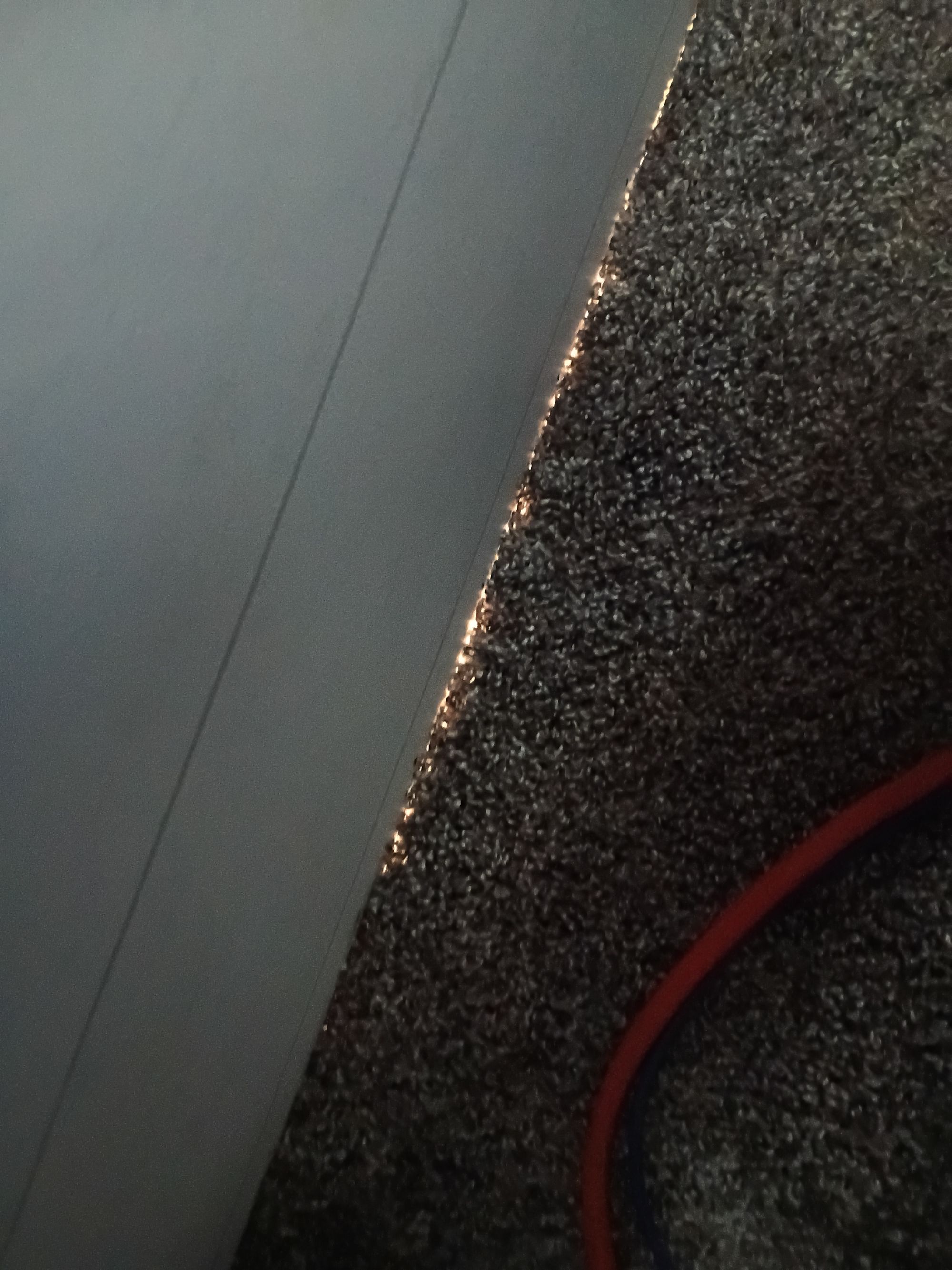

Even your slide floors can become a sudden well spring
Short Term Fix
If it is currently pouring down rain, your best options are a tarp and flex tape. When you have a few days of dry weather, move on to the long term fix.
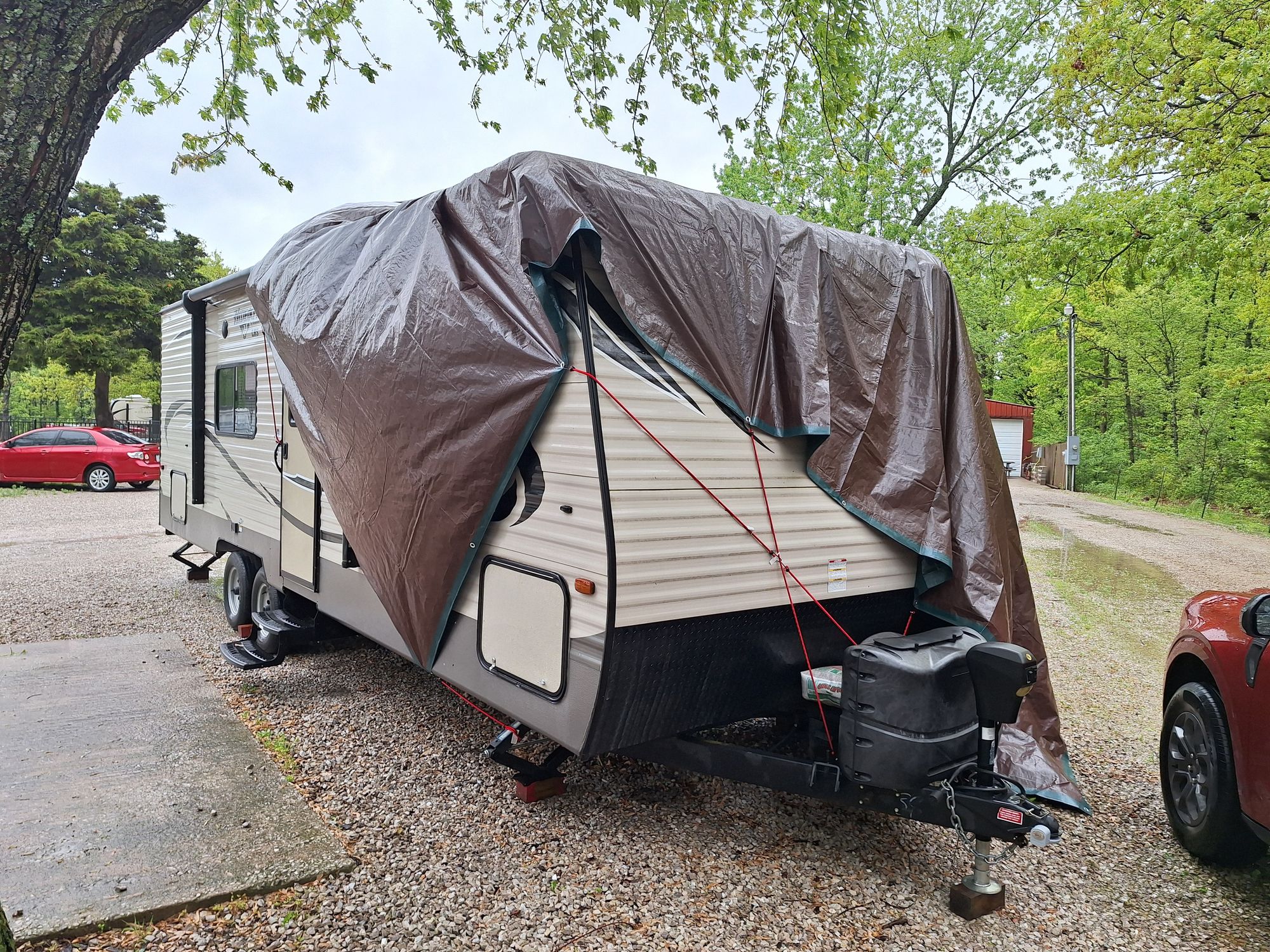
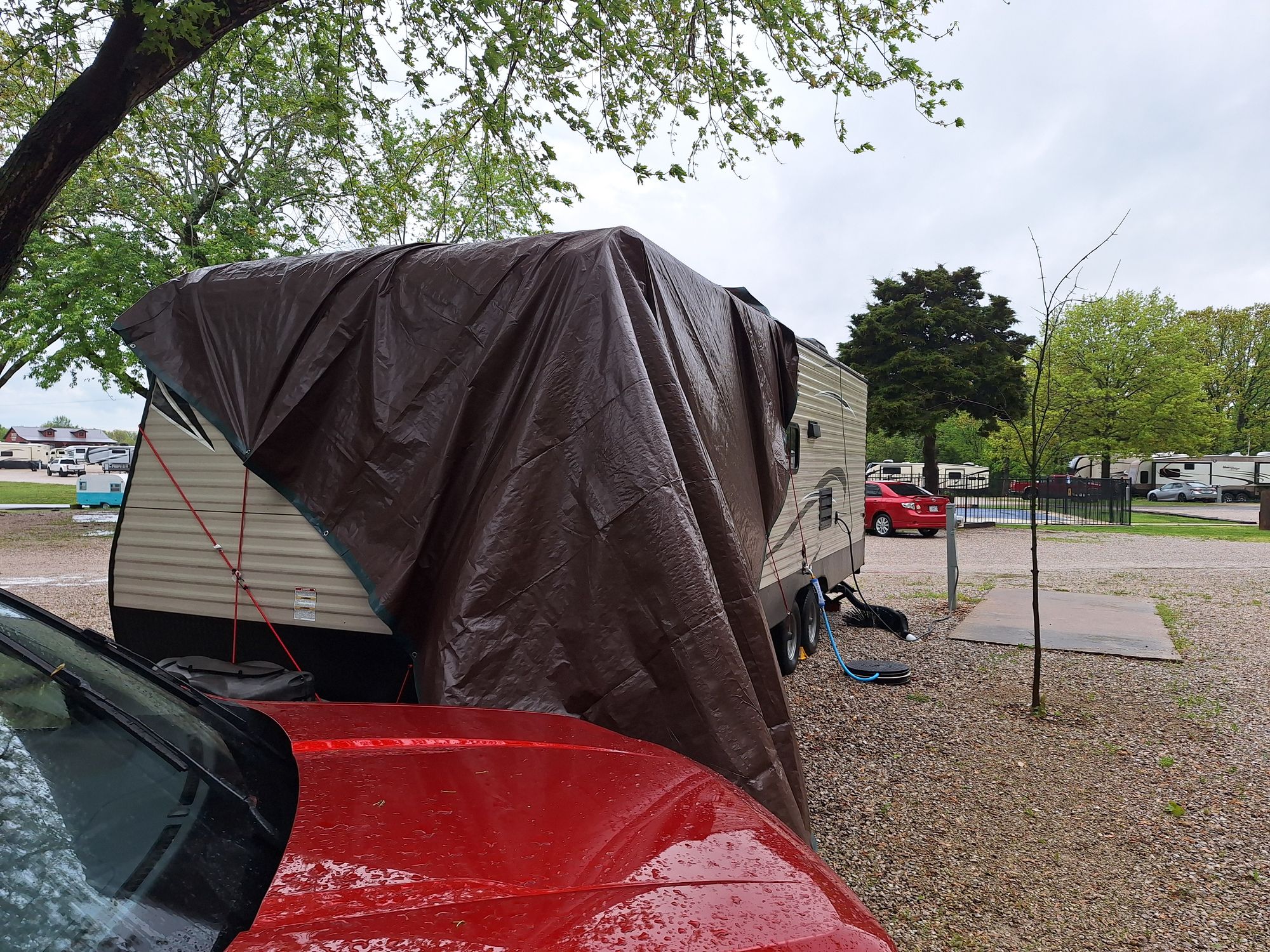
Do you have any idea how hard it is to get a tarp up in a wind storm, alone?
Long Term Fix
Keep a caulk gun in your RV with multiple tubes of silicon. You'll want some that is self-leveling (for the roof) and stuff rated to stick to walls (for the walls). Also keep a ladder with the RV if it doesn't have one built in. Inspect the seals at least once a season, preferably once a month, and every time you move it.
I prefer Dicor Self-Leveling silicon. You can buy it cheapest on Amazon. Note that it doesn't keep very well, so plan to use the entire tube at once. Just use the rest on other areas that are near where the current seal failed.
For non-self-leveling silicon, I just use whatever looks decent at Menard's.
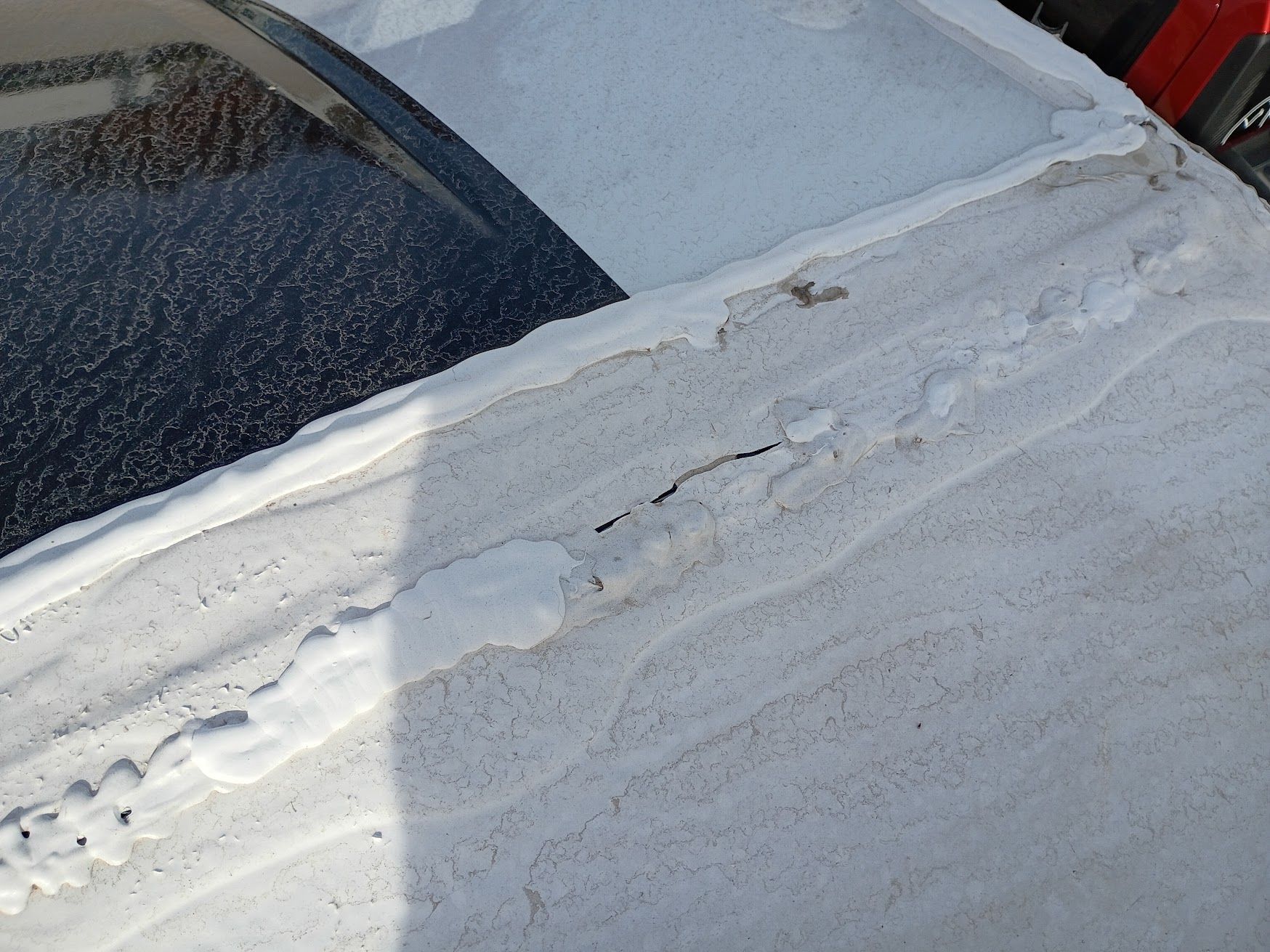
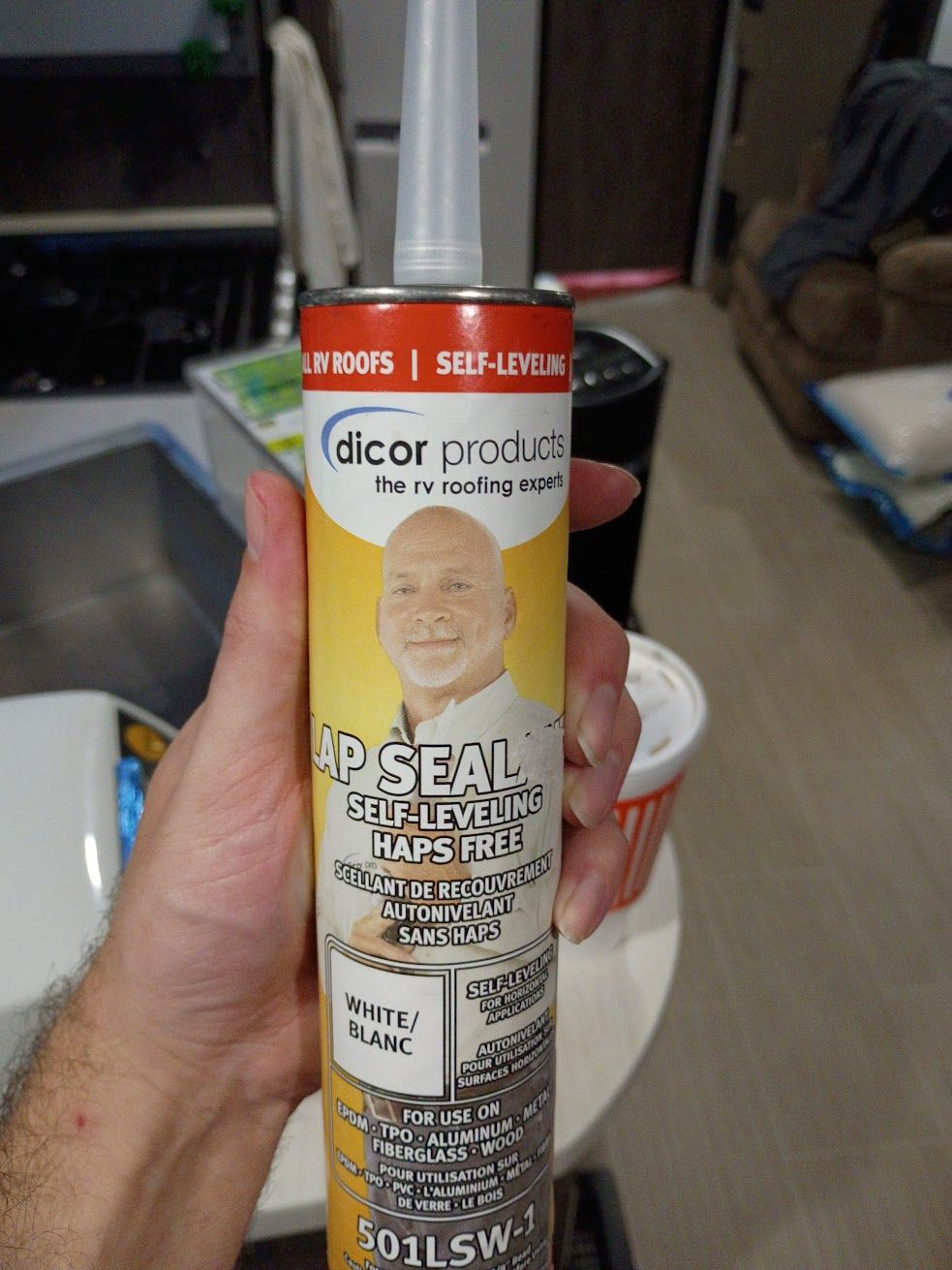
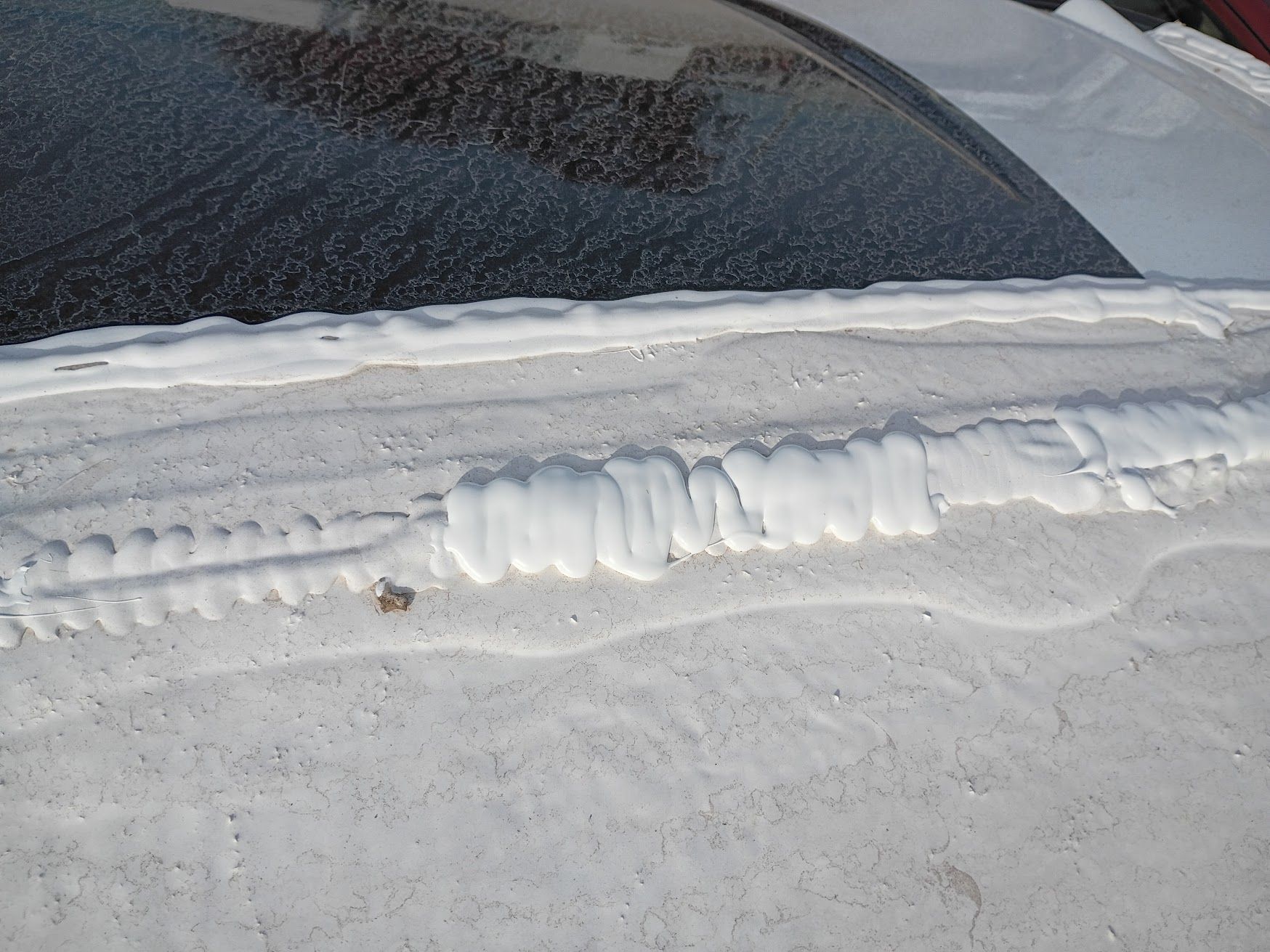
A new tear... release the Schmoo! And I, uh, totally did clean everything before fixing it. Don't worry about it.
Plumbing Can Leak Too!
Remember that indoor water means that sometimes water fixtures and pipes can leak too! When making those quality of life upgrades, be careful to not dump a ton of water everywhere. Don't ask me how I know.
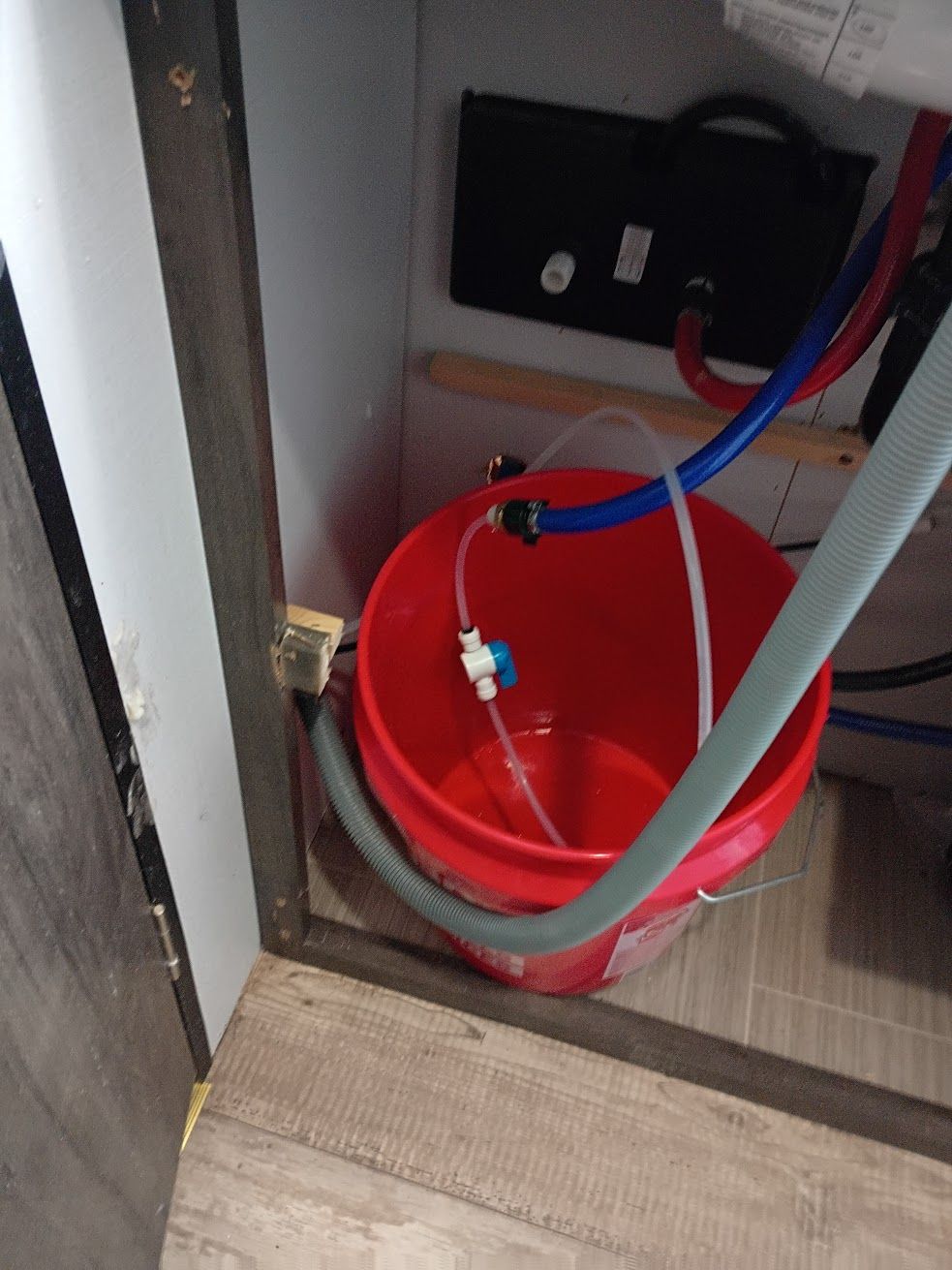
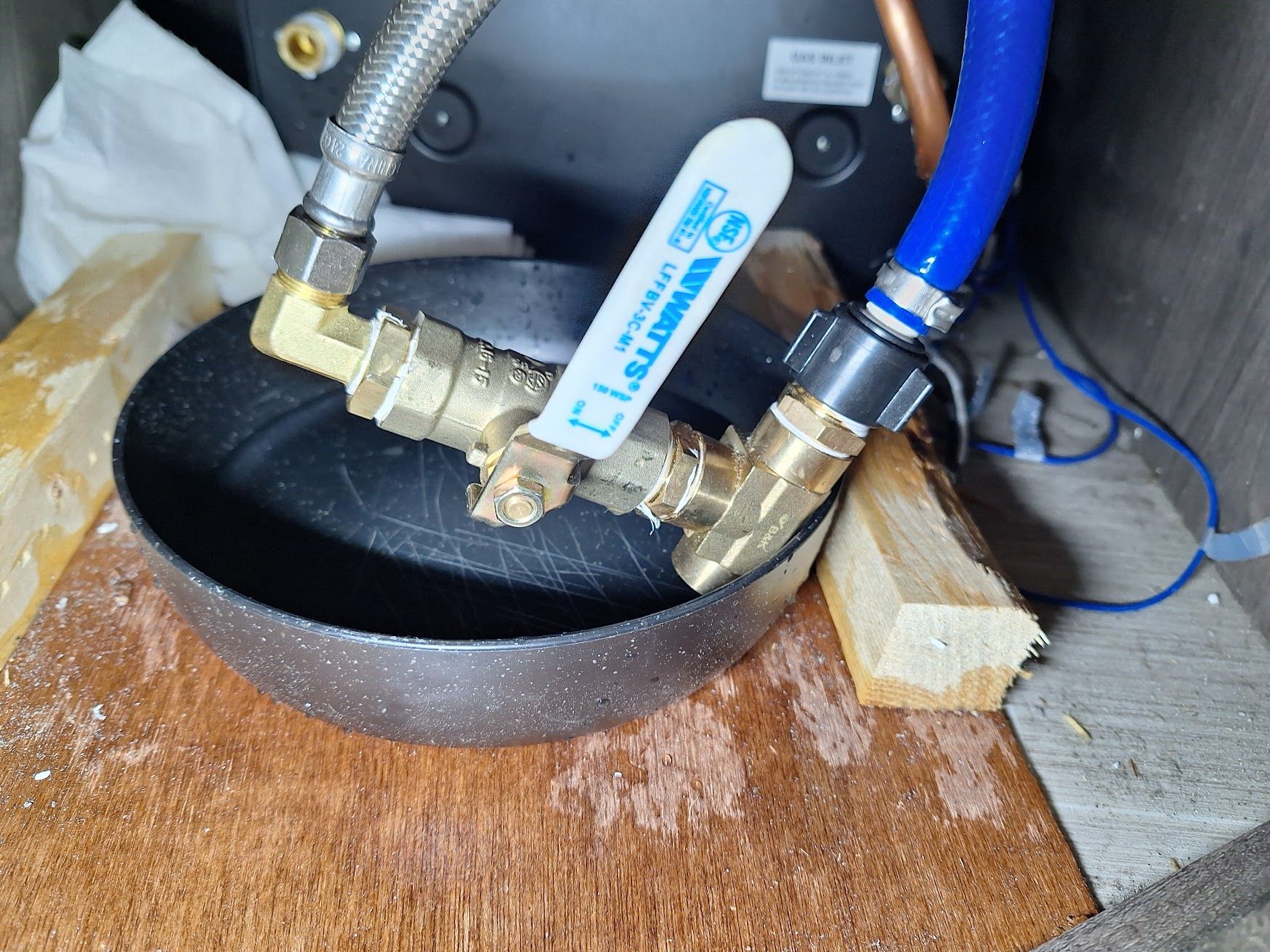
Worth it
Moving Your RV: For a Brick, H̶e̶ F̶l̶i̶e̶s̶ P̶r̶e̶t̶t̶y̶ G̶o̶o̶d̶ It Drives Pretty Bad
Your RV is on wheels! It may be a camper and need a truck to tow it or it be a motorhome and be self propelled. It being able to be easily moved is the point!
In my case, moving the camper only takes a few gallons of diesel and I did not hesitate to constantly remind management and HR of that fact!
Except there's one problem: it takes more than a few gallons of diesel! Or gasoline. The fuel type doesn't matter, it takes a lot because your RV is a shaped like a damn brick and moving it at highway speeds takes a lot of energy.
My step dad moved my first camper across the state in his gas powered GMC 2500 and got about 8.5 mpg. My 2000 F250 with the 7.3L diesel moved my second, larger, heavier camper along more or less the same route and got 10.5 mpg.
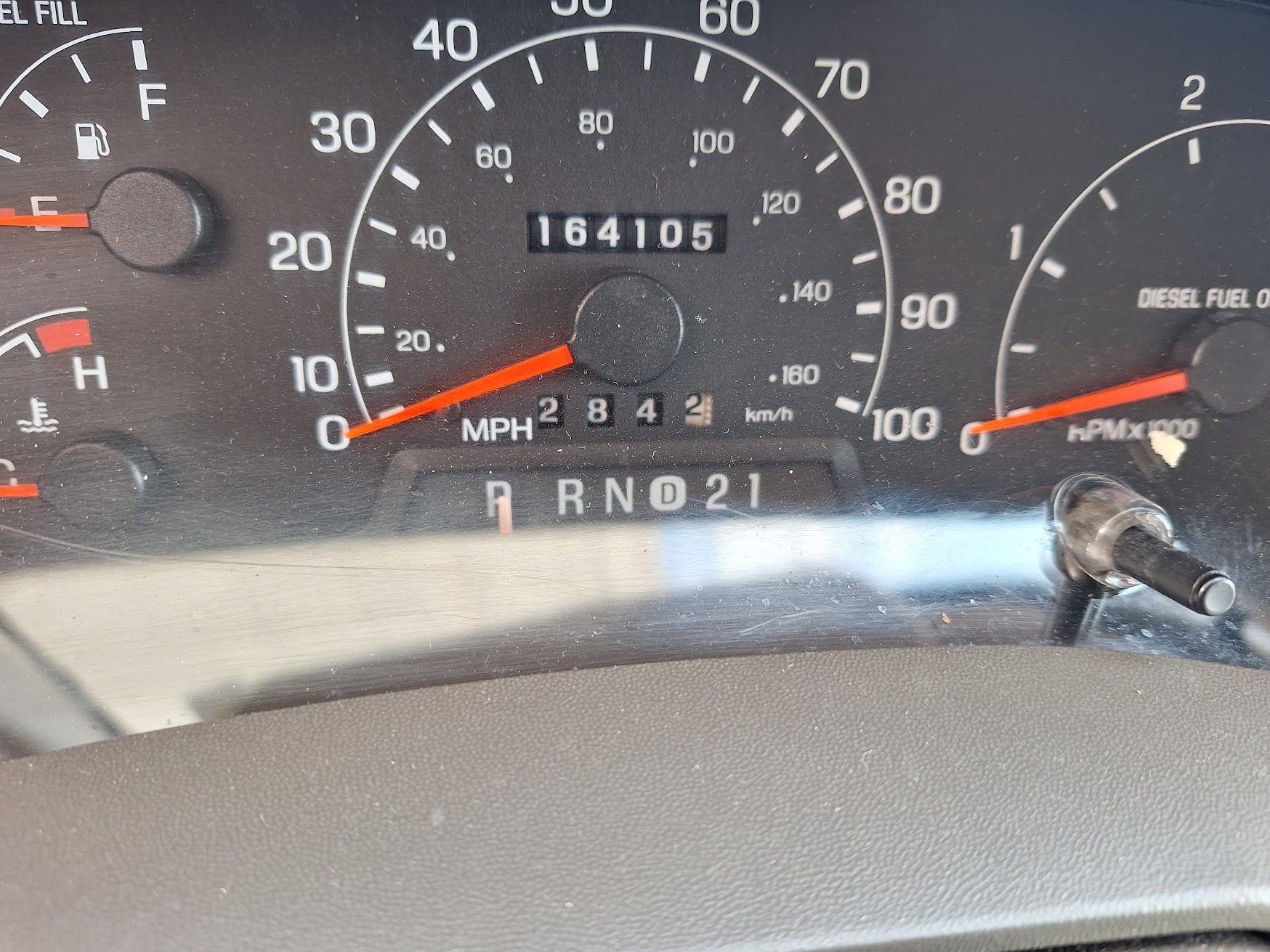
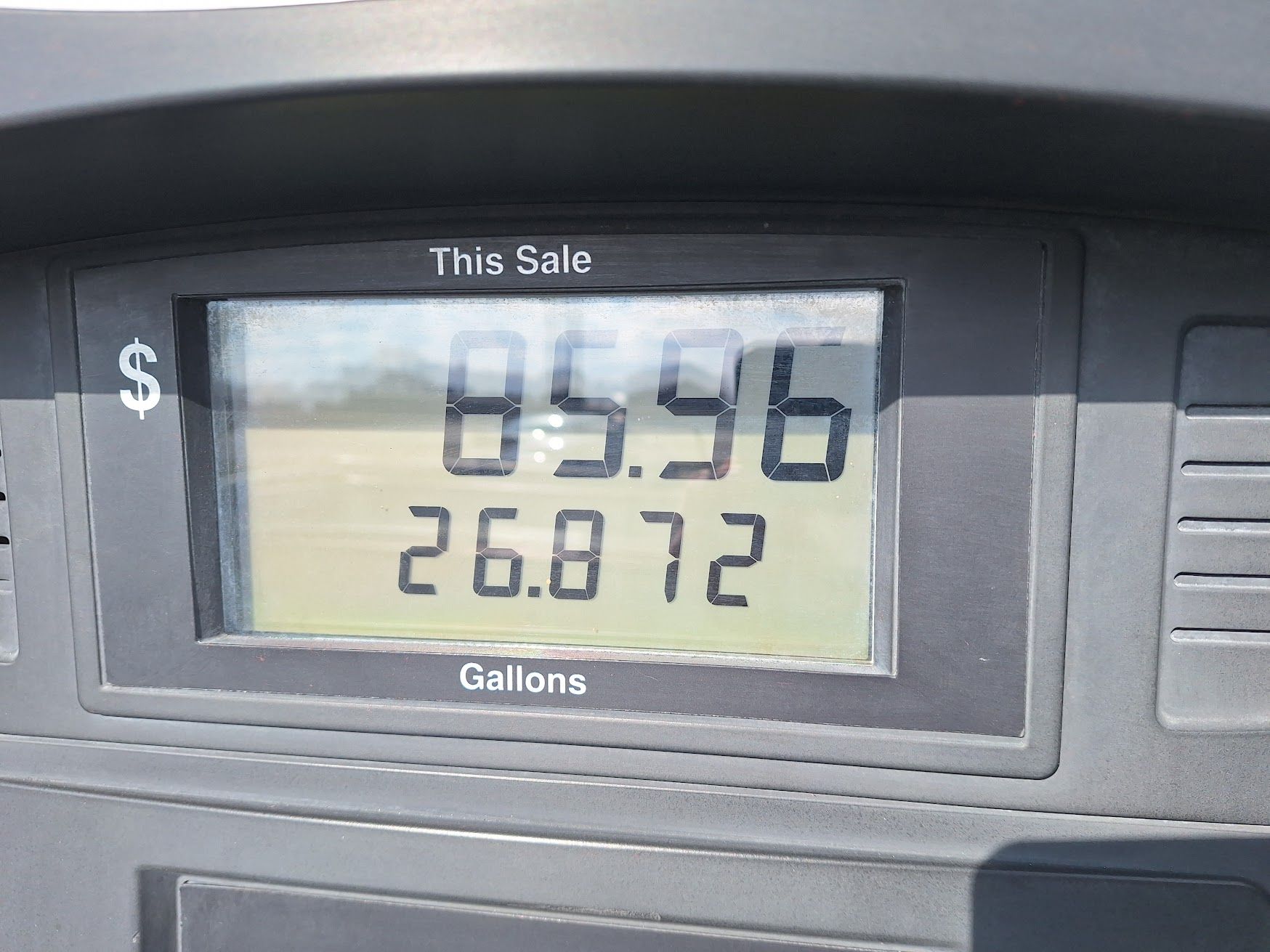
284.2 miles / 26.87 gallons = 10.57 MPG or ~4.49 Km/l for those that speak metric. Note: Missouri has relatively cheap fuel, other states are more expensive!
Size: There’s S̶o̶ M̶u̶c̶h̶ No Room for Activities!
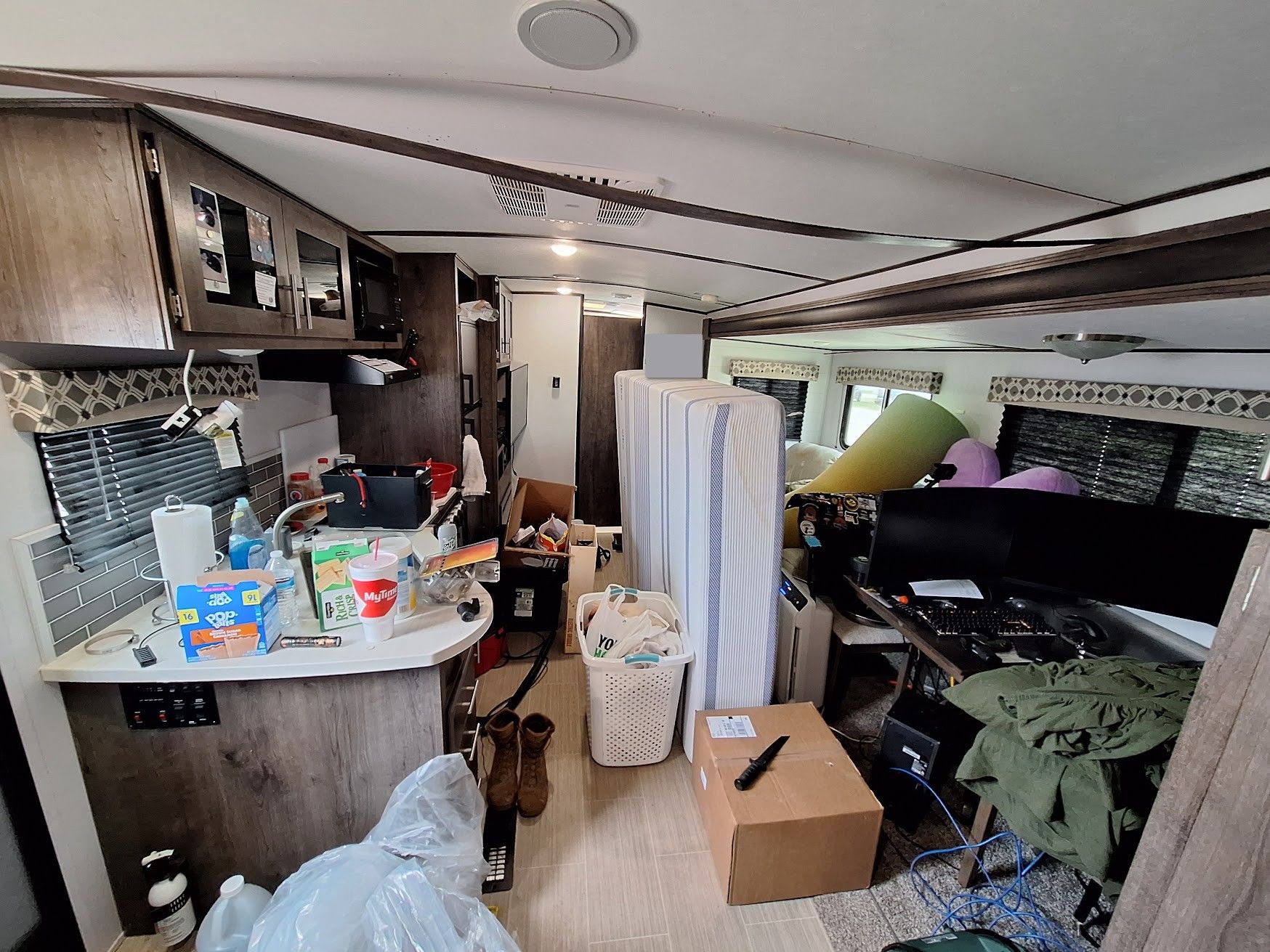
I lived in a 1500 sqft house before moving into my first camper, a 2016 Keystone Hideout LHS. That camper had no slides, was 29 feet long, and had very little storage space. I ended up pulling the mattresses out of the bunk beds and using that area as storage.
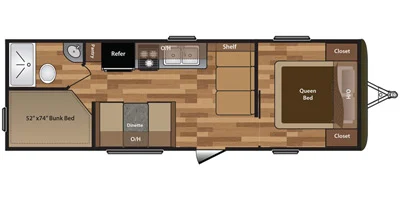
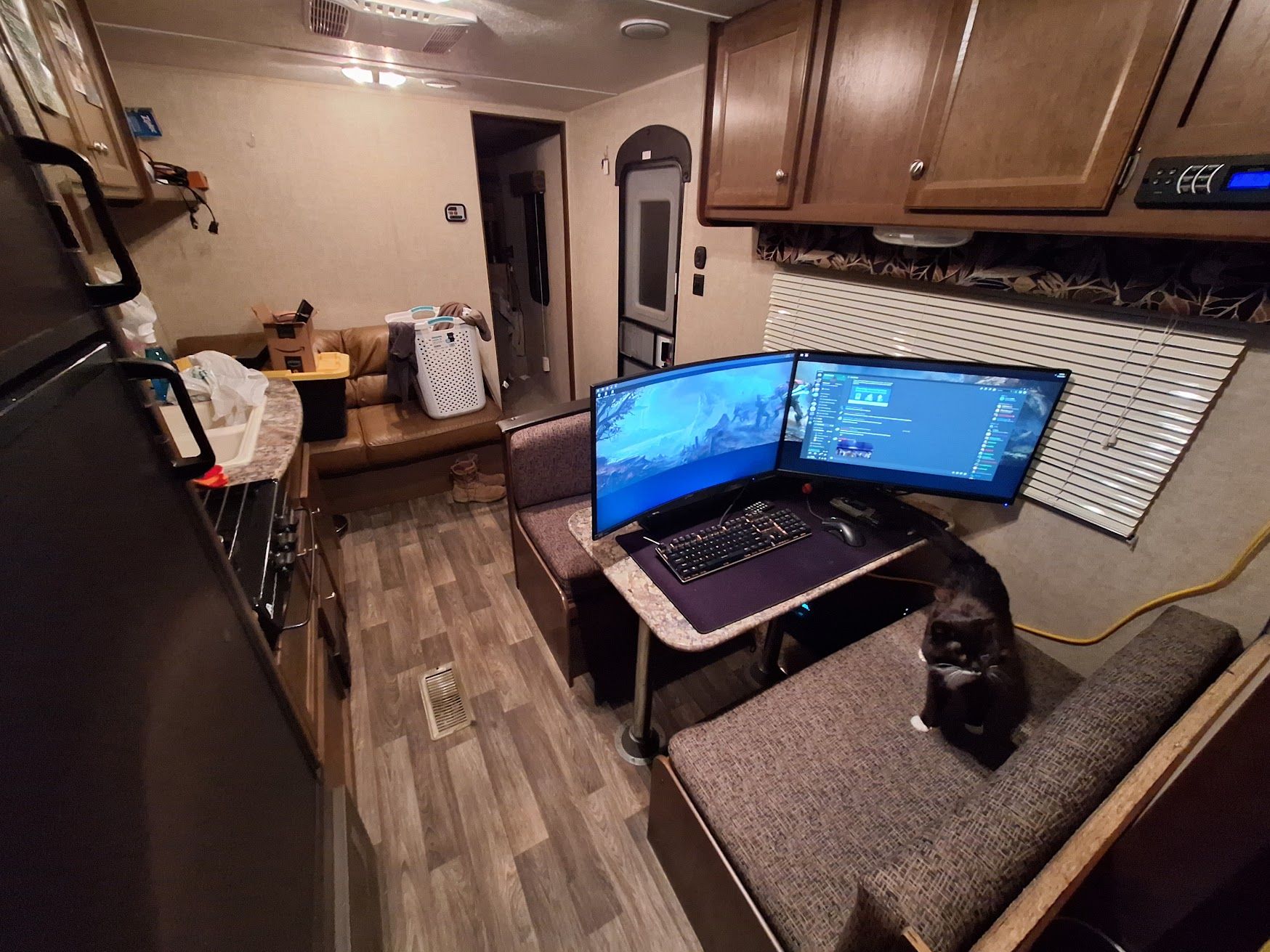
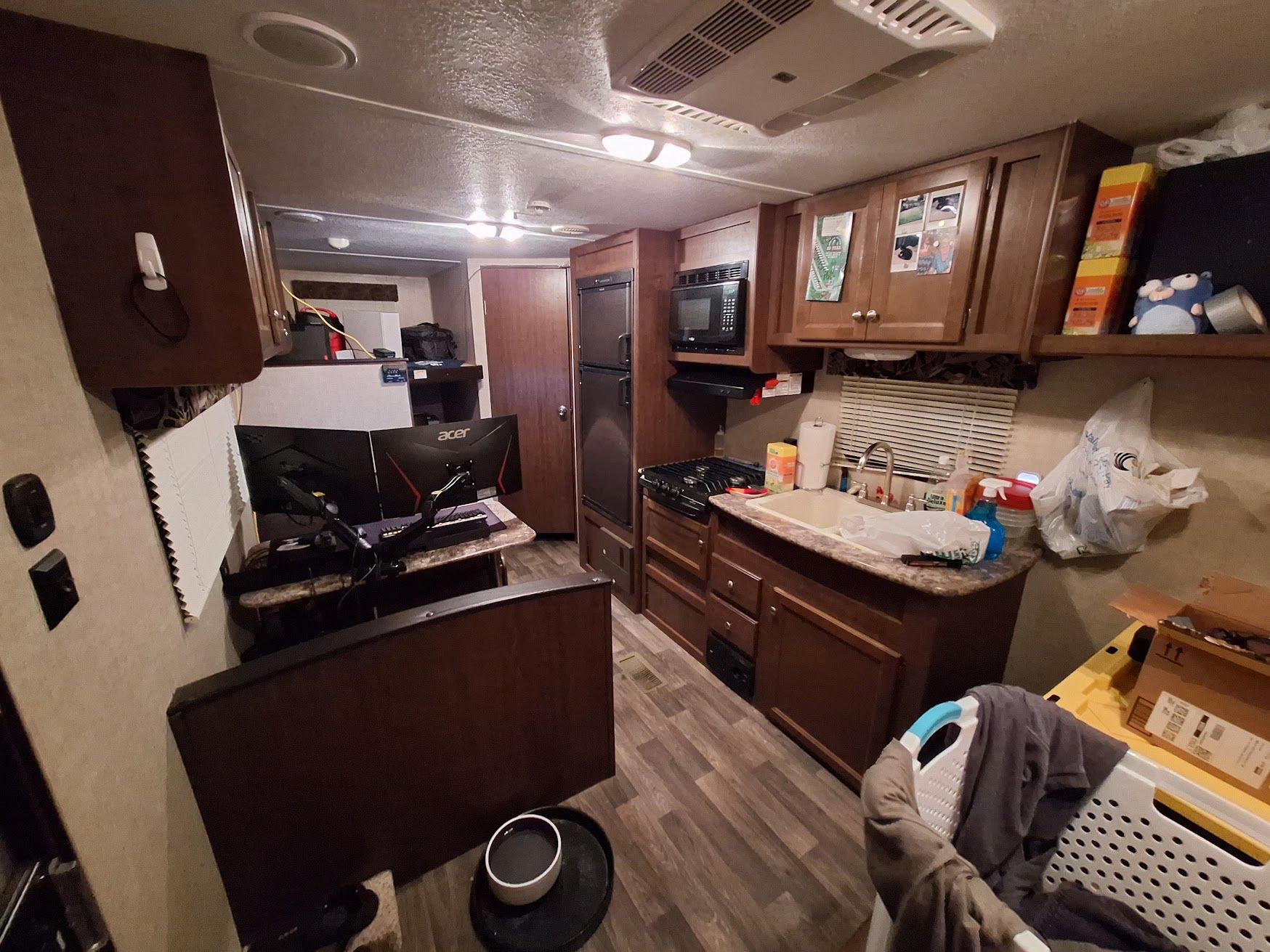

A few pictures not long after moving in and not long after I figured out how to mount my TV on the wall.
My second camper is about the same length, but has a slide out section. Slides are heavy and are another place to let air and water through, but they provide a lot more space. This one is also configured a bit differently: the first had provisions to sleep up to 10 people (two on the master bed, folding couch, each bunk bed, and the collapsible table) and the second had only the master bed.
Replacement Parts and Quality of Life Upgrades: Upgrades, People, Upgrades!
RVs of all makes and models have a lot of parts commonality. This is good for the manufacturers because they can cheap out and not pass the savings to you /s. This is good for RV repair shops because they can stock very common parts and still charge you an arm, leg, and your first born /s. This is good for you because it is very easy to find replacement parts that are likely to work on Amazon. They're also significantly cheaper to buy on Amazon, and if you're even slightly handy, it isn't too hard to install them yourself.
There are also a handful of quality of life upgrades you can (and should) make, though some will take creativity to install:
- Tankless hot water heater. 6 gallons doesn't go far.
- Counter top dish washer. It can't wash everything, but it'll do the heavy lifting for you. Hard line it in and run the drain line to a proper sink drain to make your life even easier.
- Multispeed vent fan.
- Water filter.
- An actual mattress.
Below are pictures of some of the repairs and upgrades (both factory replacement and... field expedient) I've made.
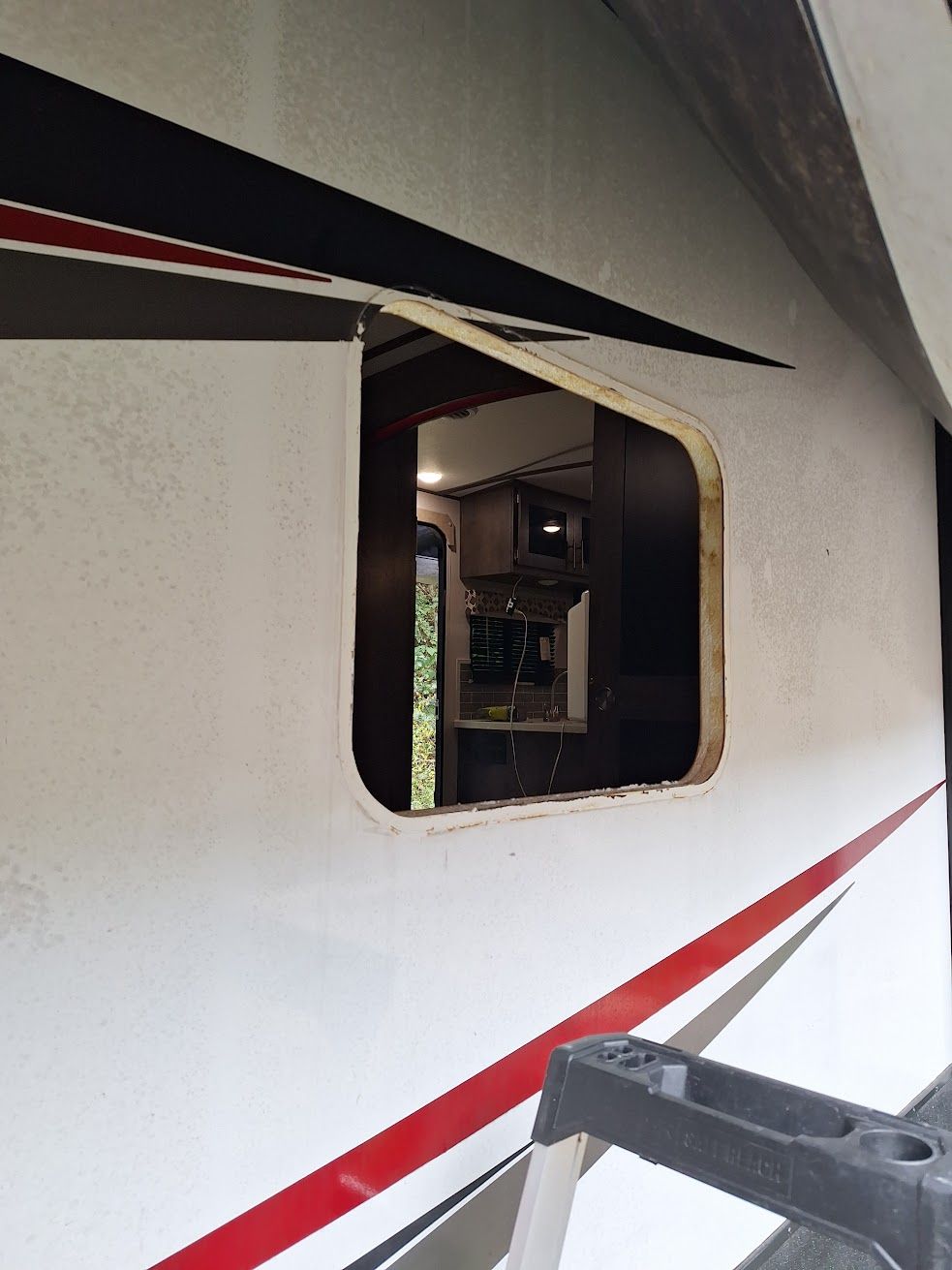
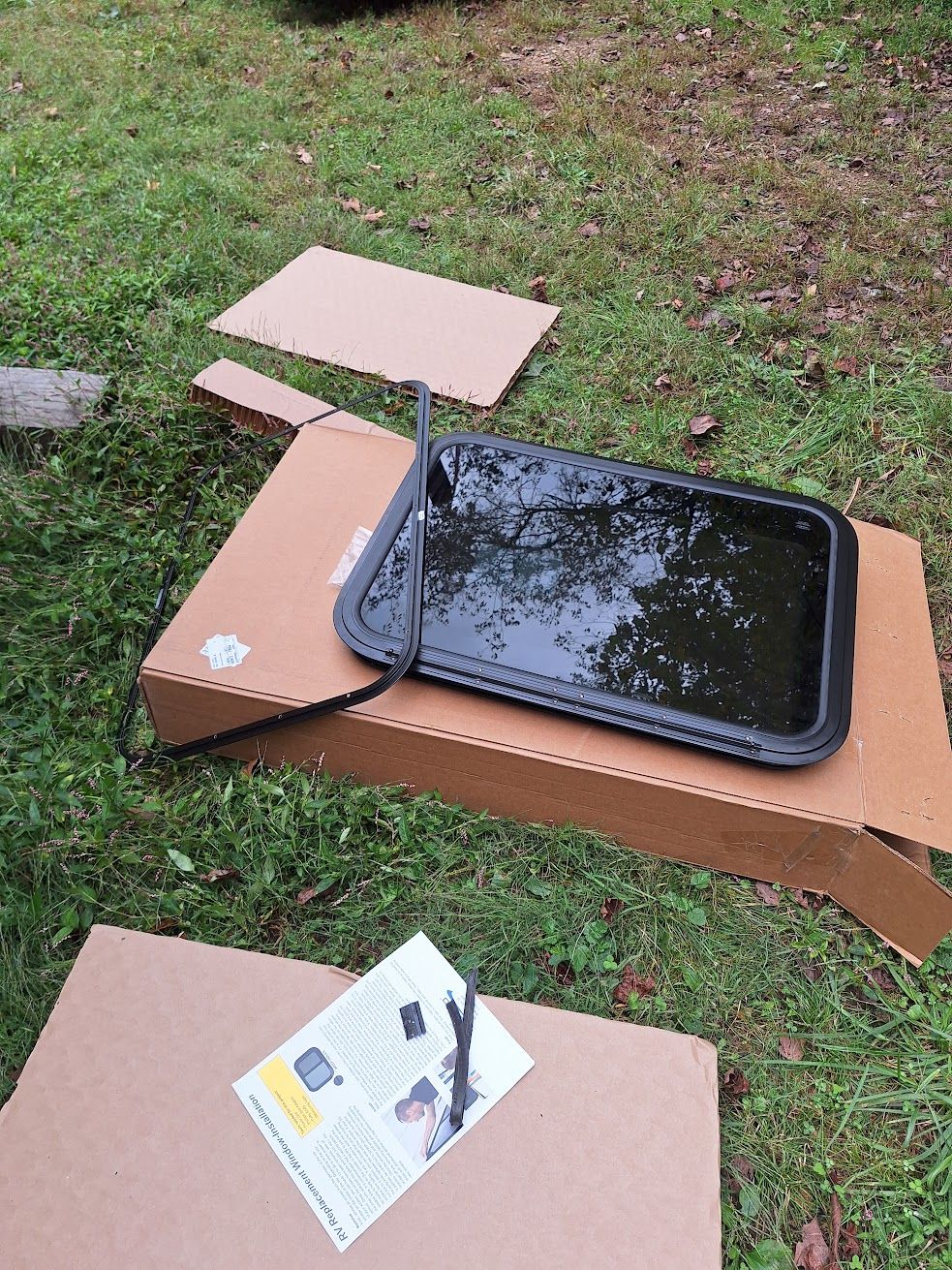
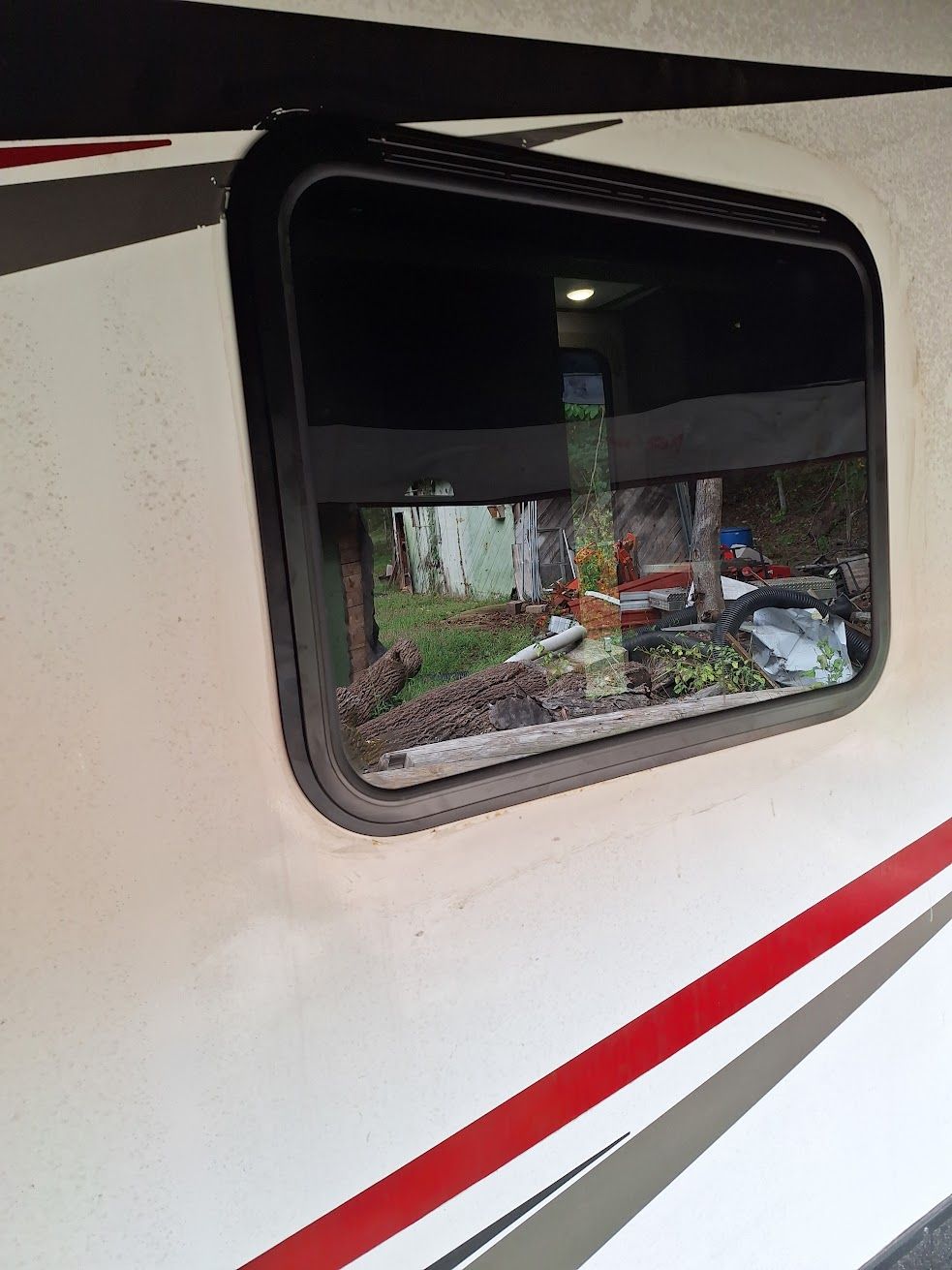
A new window. Dangers of living in a construction zone.
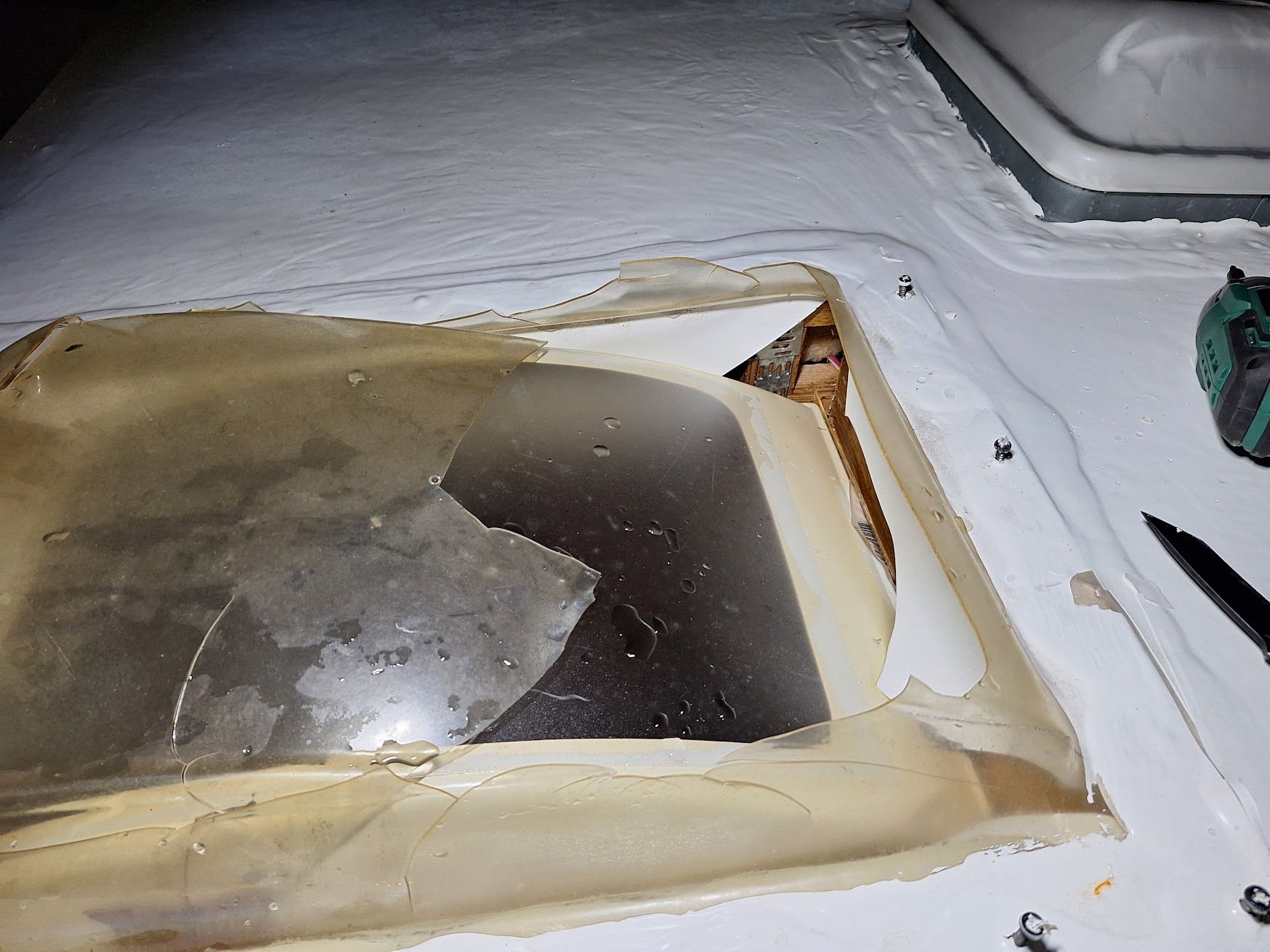
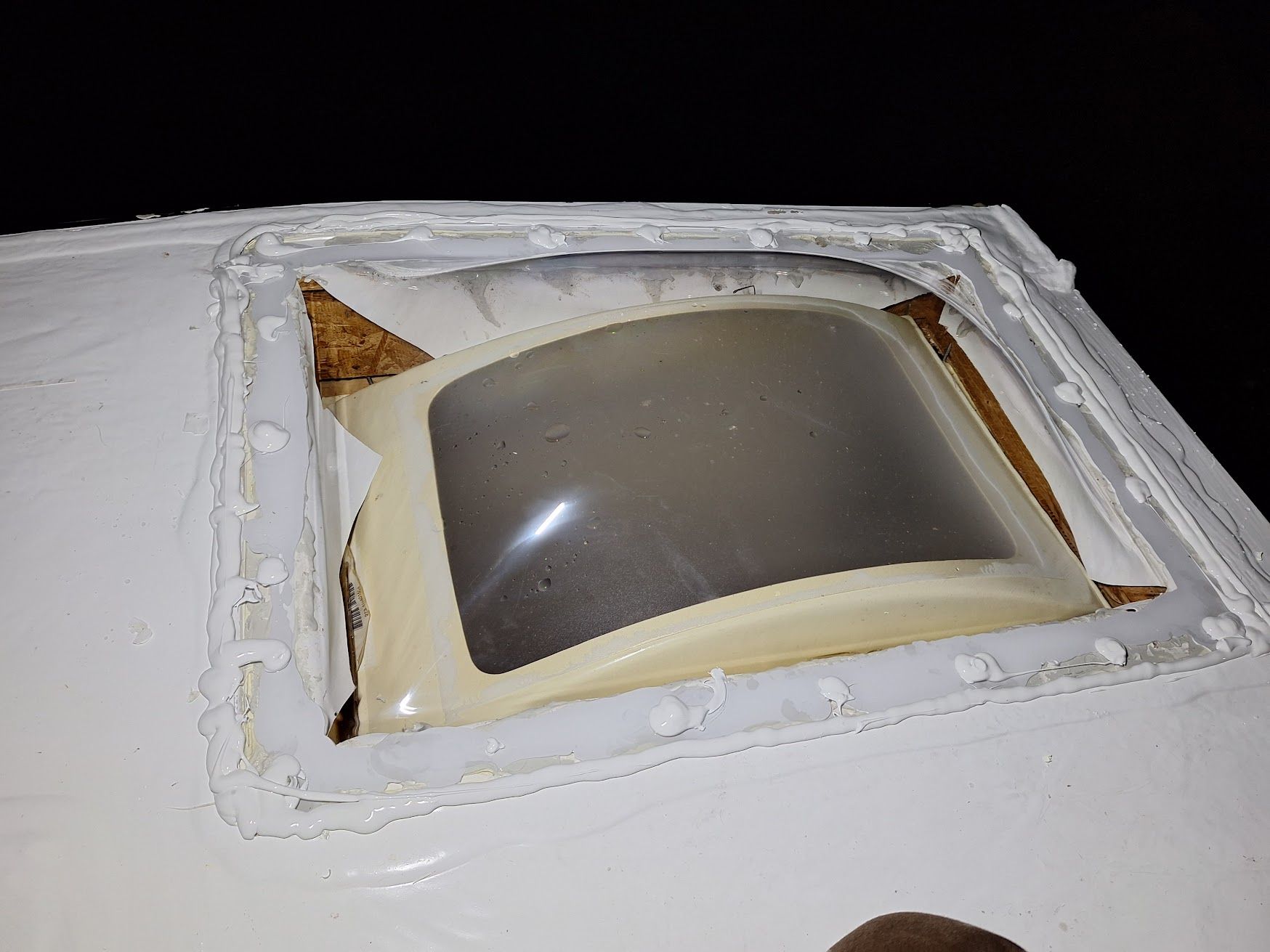
A new skylight, so clear it is actually hard to see in the image. Dangers of moving the camper out of the construction zone and near a dead tree we didn't notice. Oops.
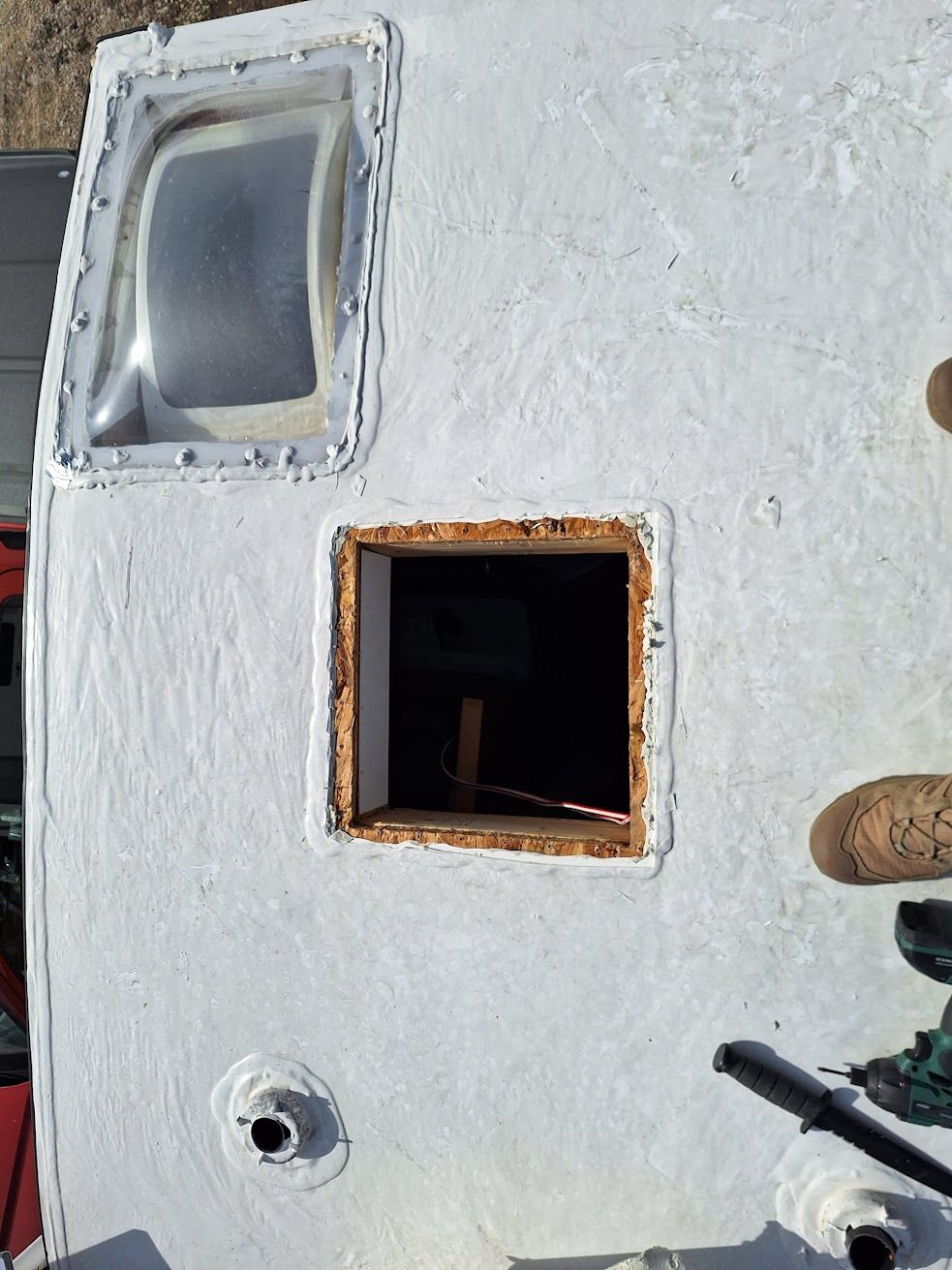
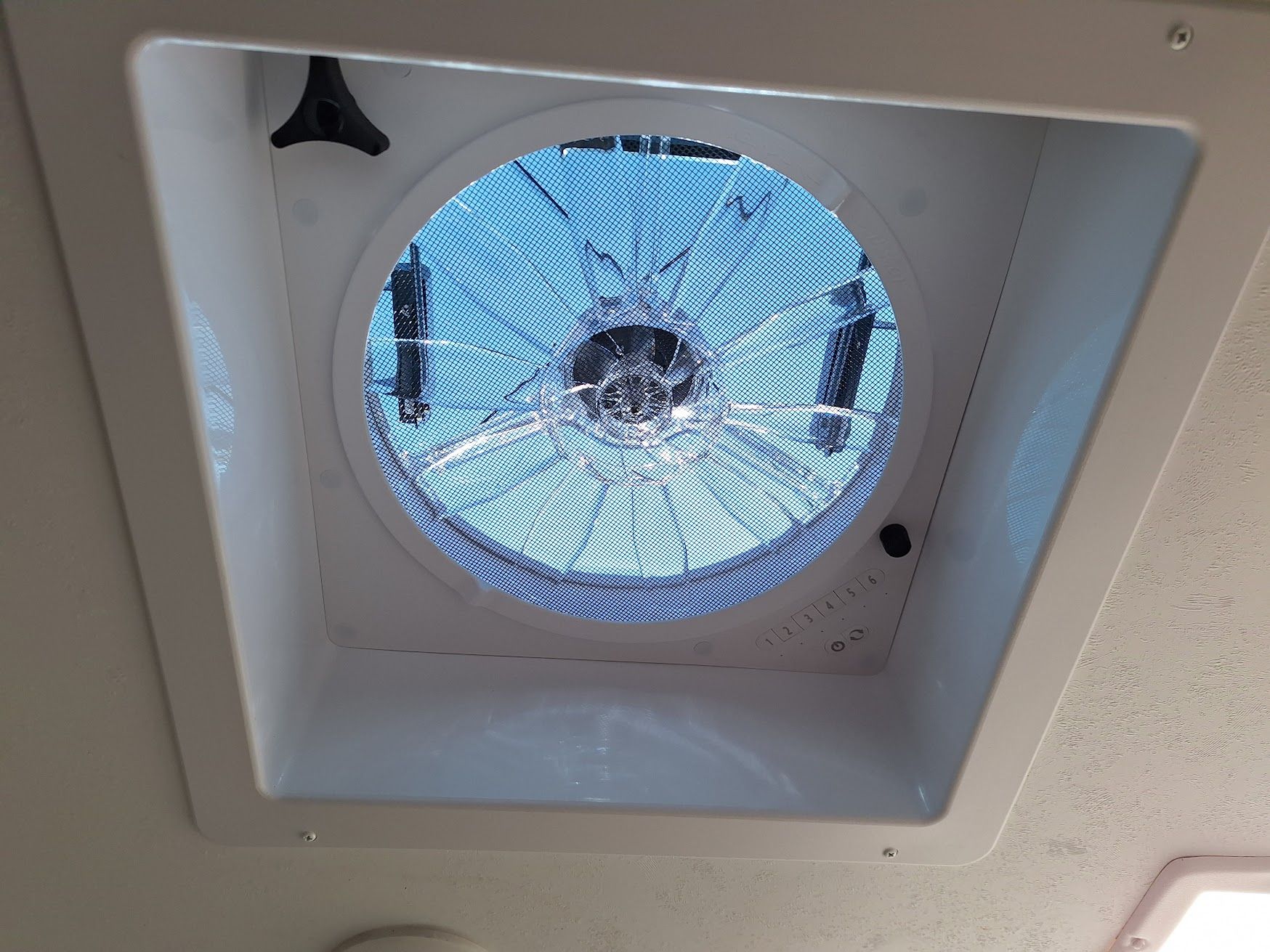
A multi-speed vent fan is probably the least impactful upgrade, but still nice.

Violence? Escalated. Showers? Long.
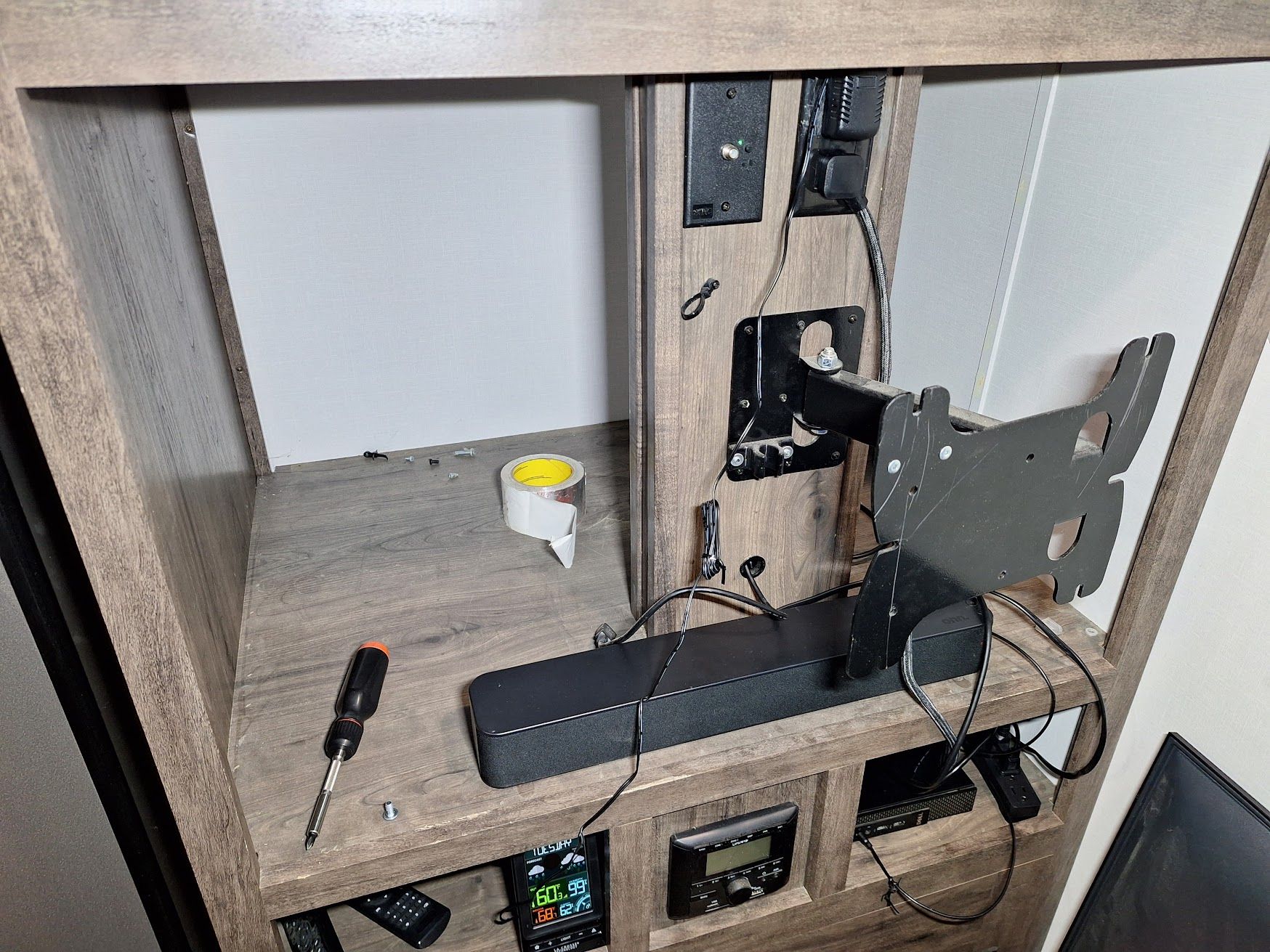
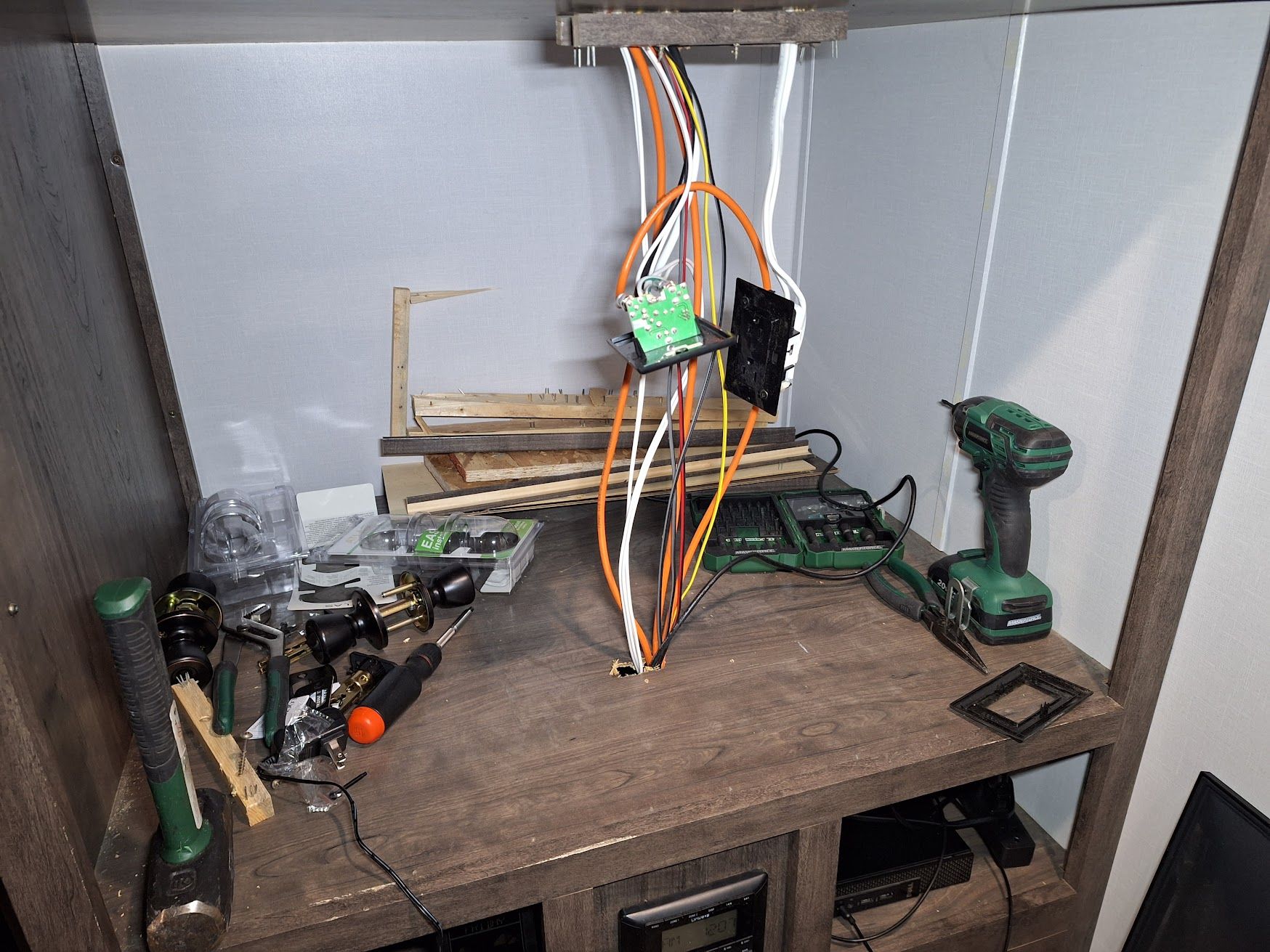
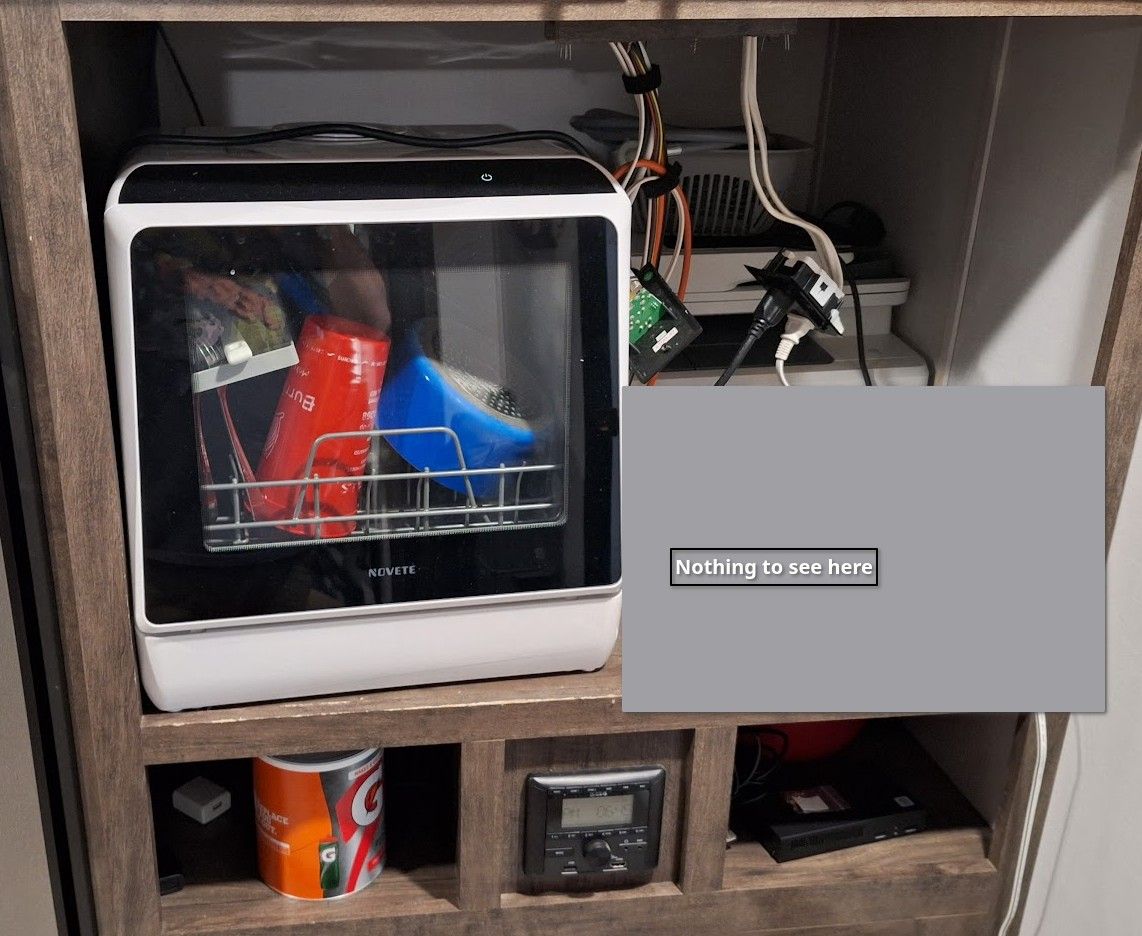
Hmmm... if I rip out the center column from the entertainment system, I have just enough room for a dish washer. I even managed to hard line it in!
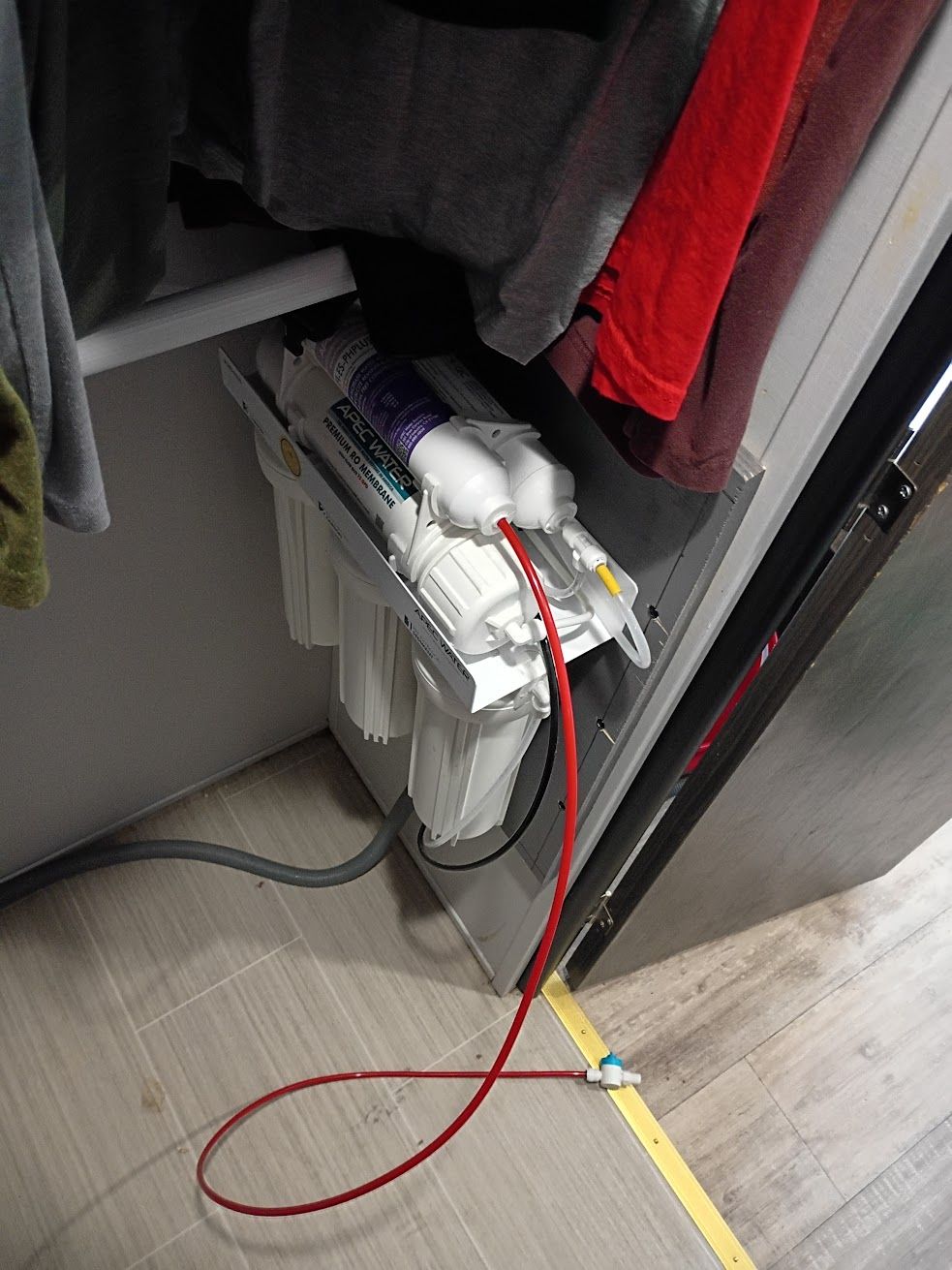

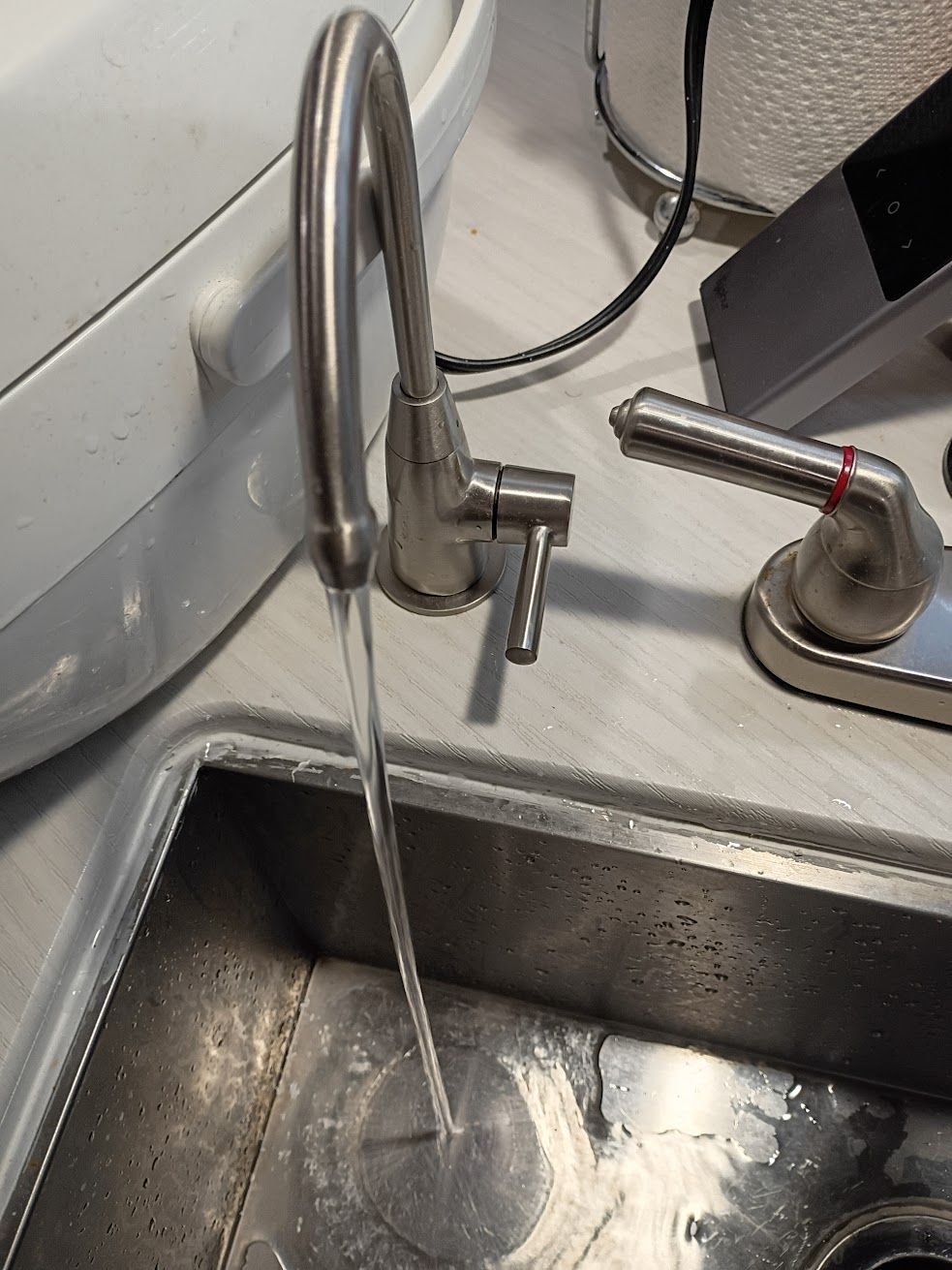
I need to drink more water. So do you.
Most RV master beds are a bit shorter than a standard queen sized mattress. They're also not very comfortable, so it is absolutely worth the loss of space and tons of effort to force a new mattress in there.
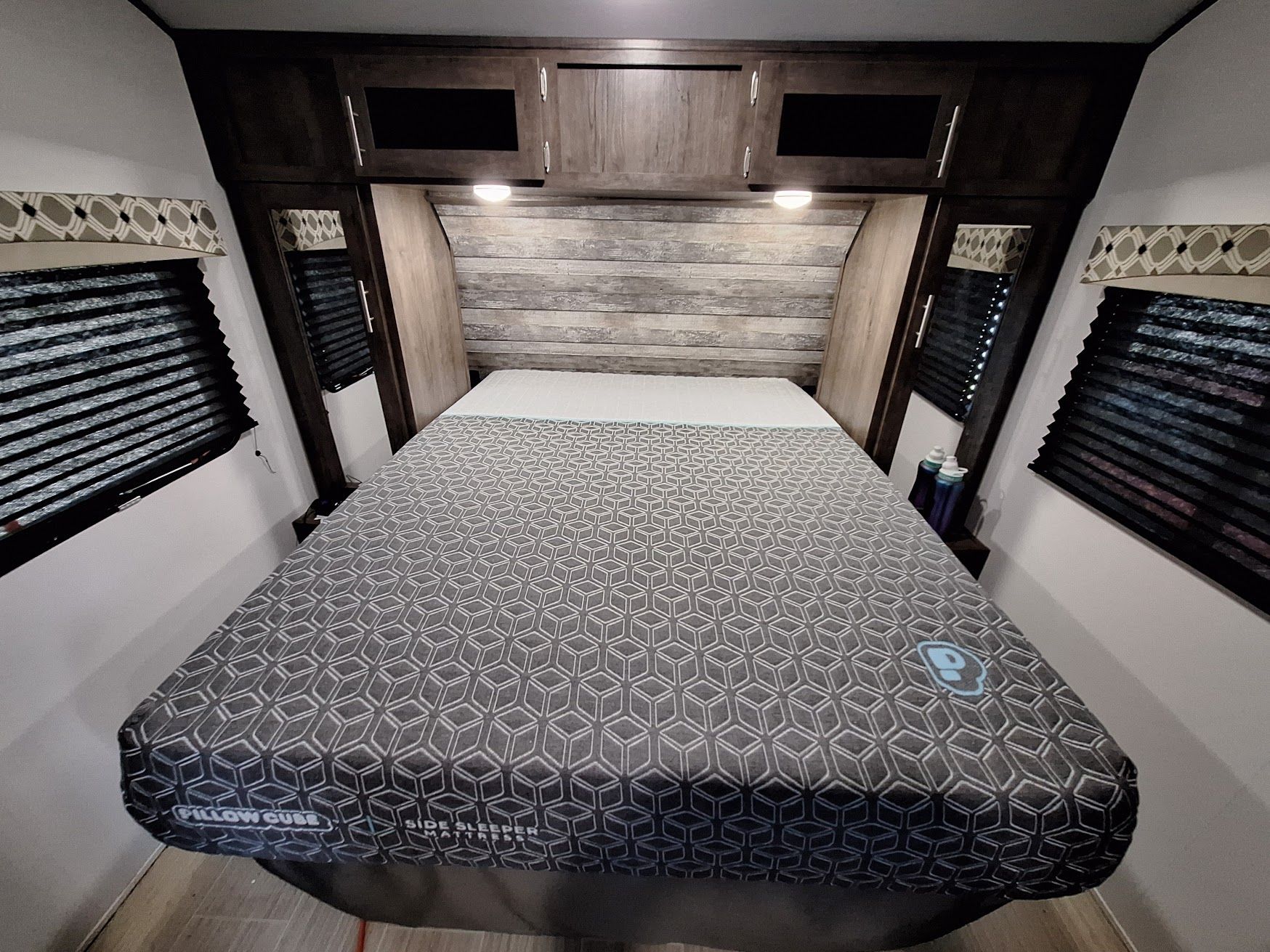
Worth every penny
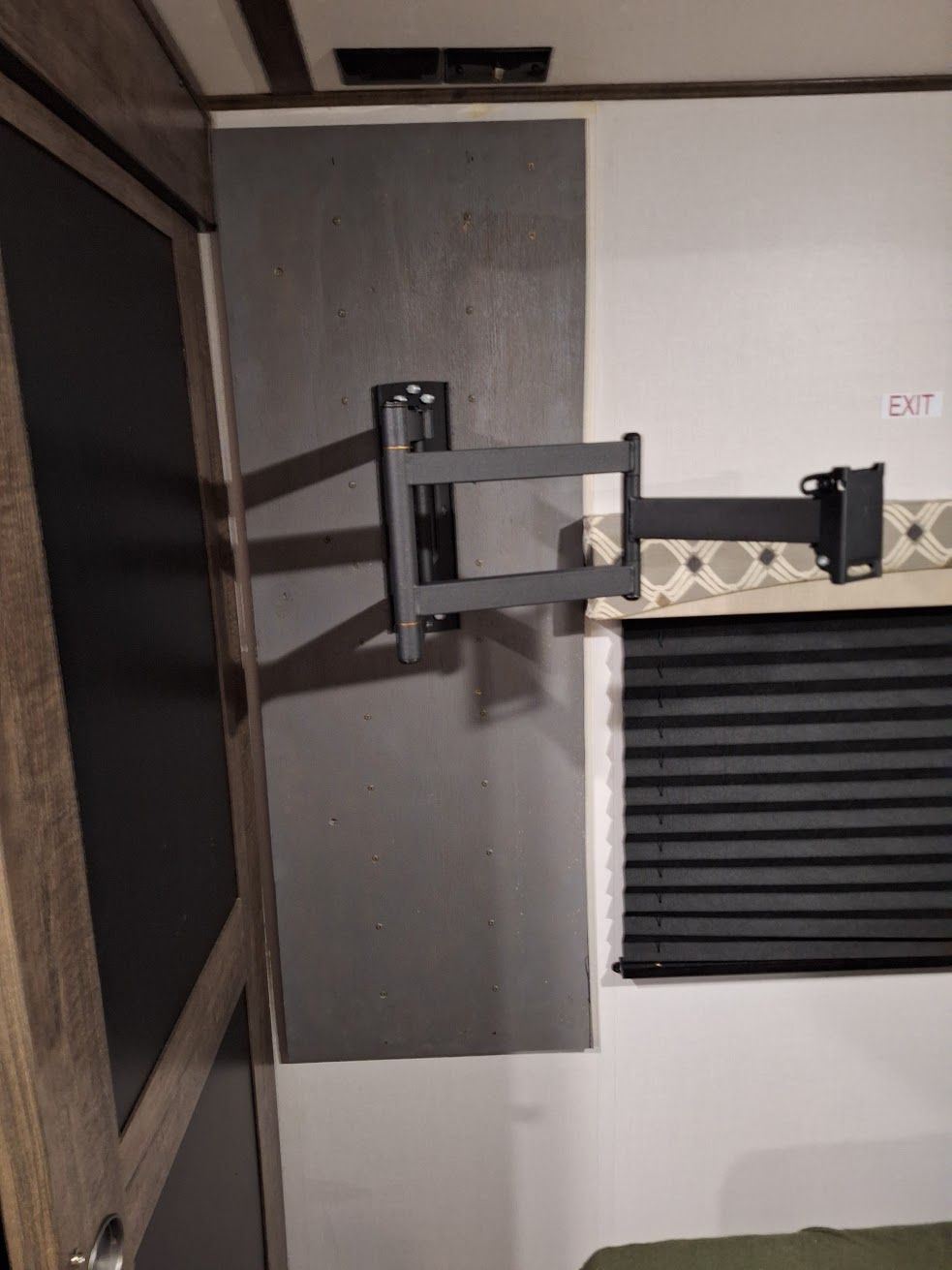
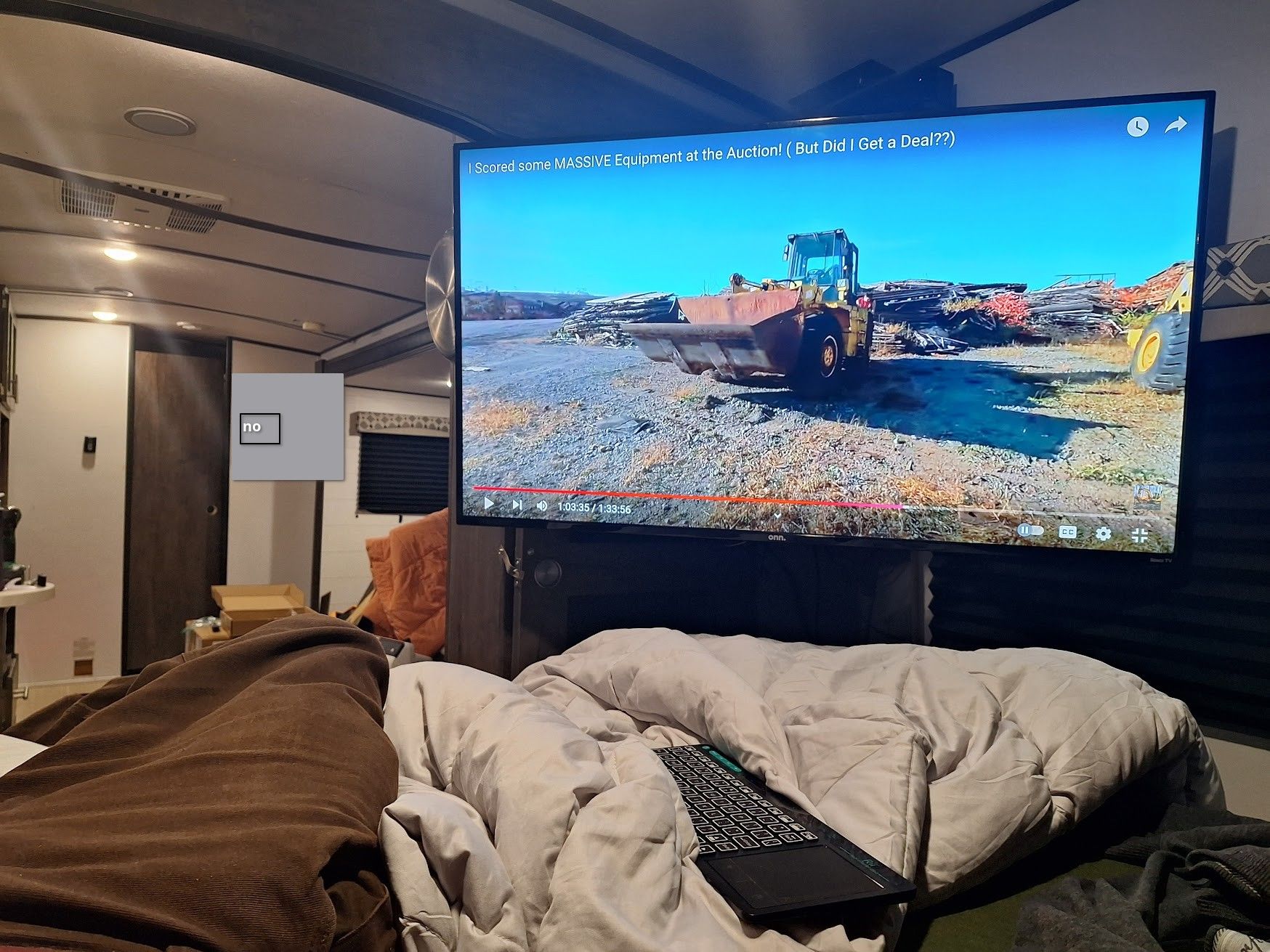
Use plywood and a lot of screws to spread out loads and you can hang just about anything from the wall. Take the TV down before moving the RV.
HVAC: Warm in the Summer, Cold in the Winter!
Heating and cooling is probably the worst part about living in an RV. Doubly so for me, I live in Missouri where summers are hot and humid and winters comparatively short, but still damn cold.
Insulation: What Insulation?
RVs have relatively thin insulation. My current camper has about 2 inches of fiberglass or foam insulation in the walls (basically nothing) and single pane windows. The doors and windows also don't seal particularly well, which definitely doesn't help.
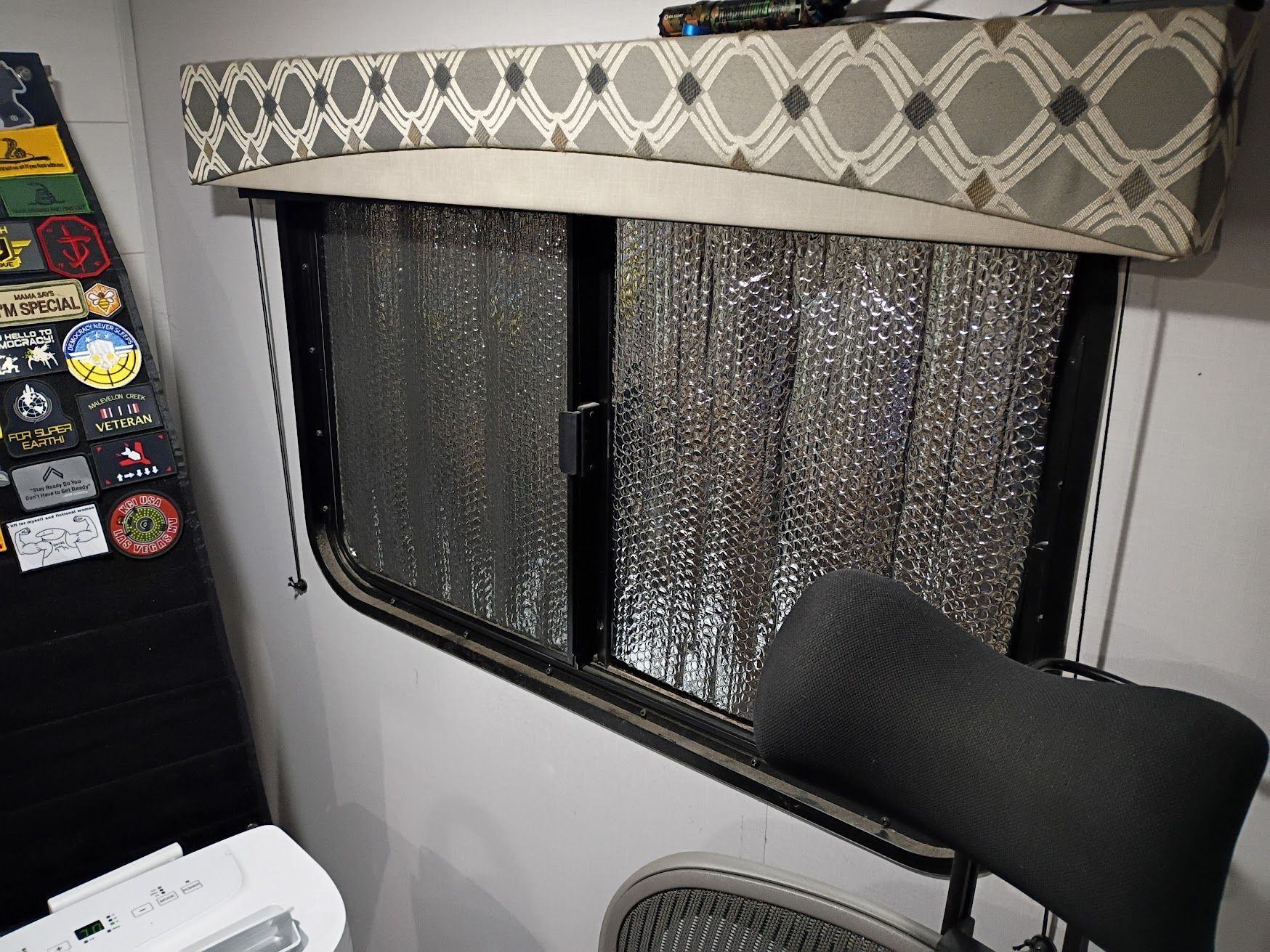
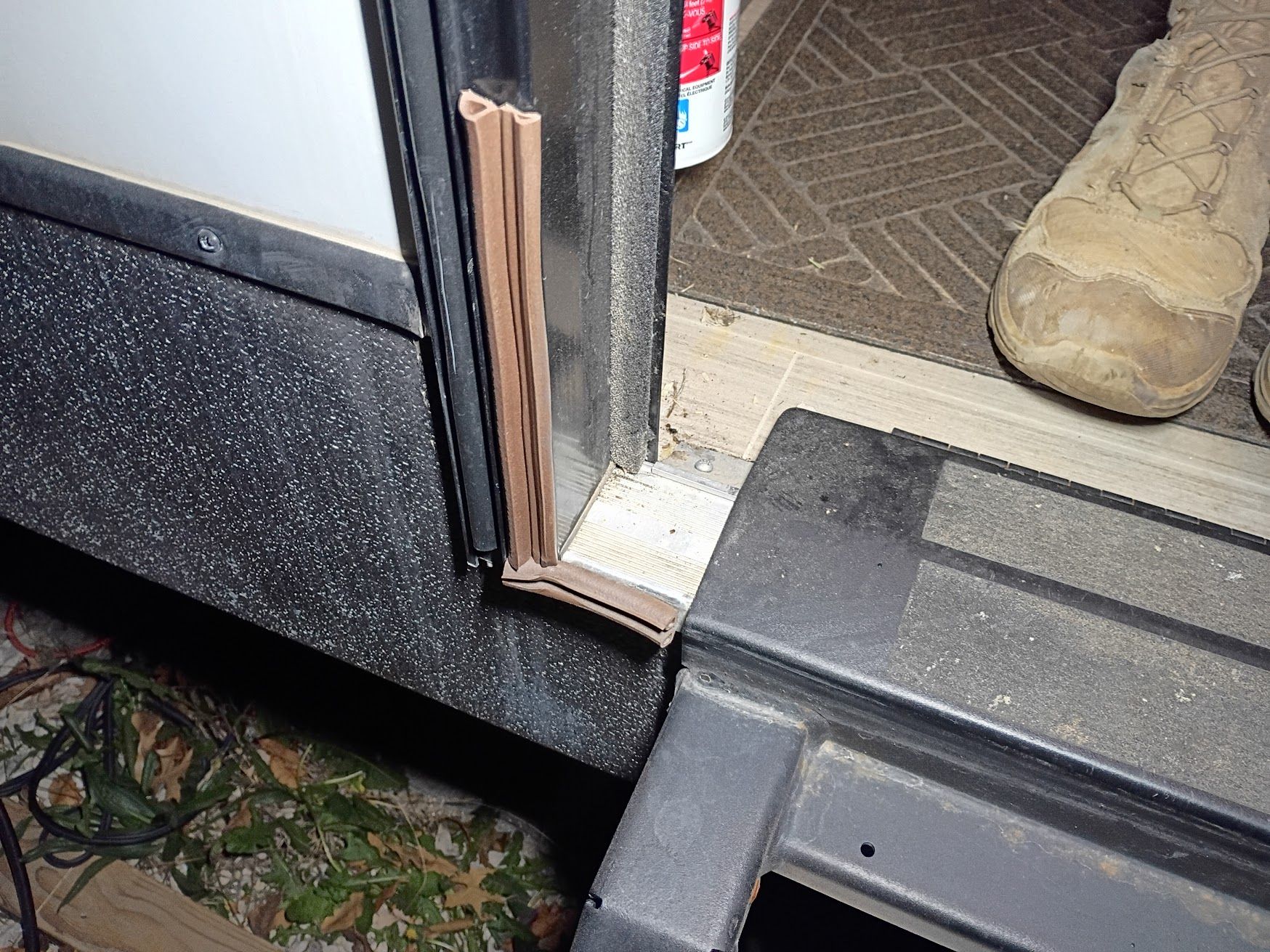
Additional insulation in the windows and weather stripping on the doors are a must!
Cooling: In Amperage We Trust
After improving the insulation and seals, cooling an RV is reduced to a numbers game: how much power can you throw at the problem? Consider that the AC on most RVs using a 30 Amp connection is half of the power budget. This is basically the same as running a window AC unit, plus or minus some efficiency. In an RV, that isn't much and in my first camper, it was not enough.
The power pole on your lot (assuming you're at an RV park) typically has more than one circuit on it. I ran an extra extension cord, a power pass-through, cut a board for an intake/exhaust, and screwed that board into a window to run a portable AC unit. If you decide you want to do this, make sure you get a portal AC with two hoses. The single hose types are very inefficient: they only blow exhaust out, which draws in more hot air!
Doubling the cooling power actually meant the second camper was MUCH more comfortable in Missouri's hot and humid summers. However, the modification will obviously use a lot more power, but I pay a flat rate at my current RV park. Note: RV parks don't like this. If you pay per kilowatt, you may decide to suck it up and live with it. I'll worry about that problem when I have my land setup so I can move out there.

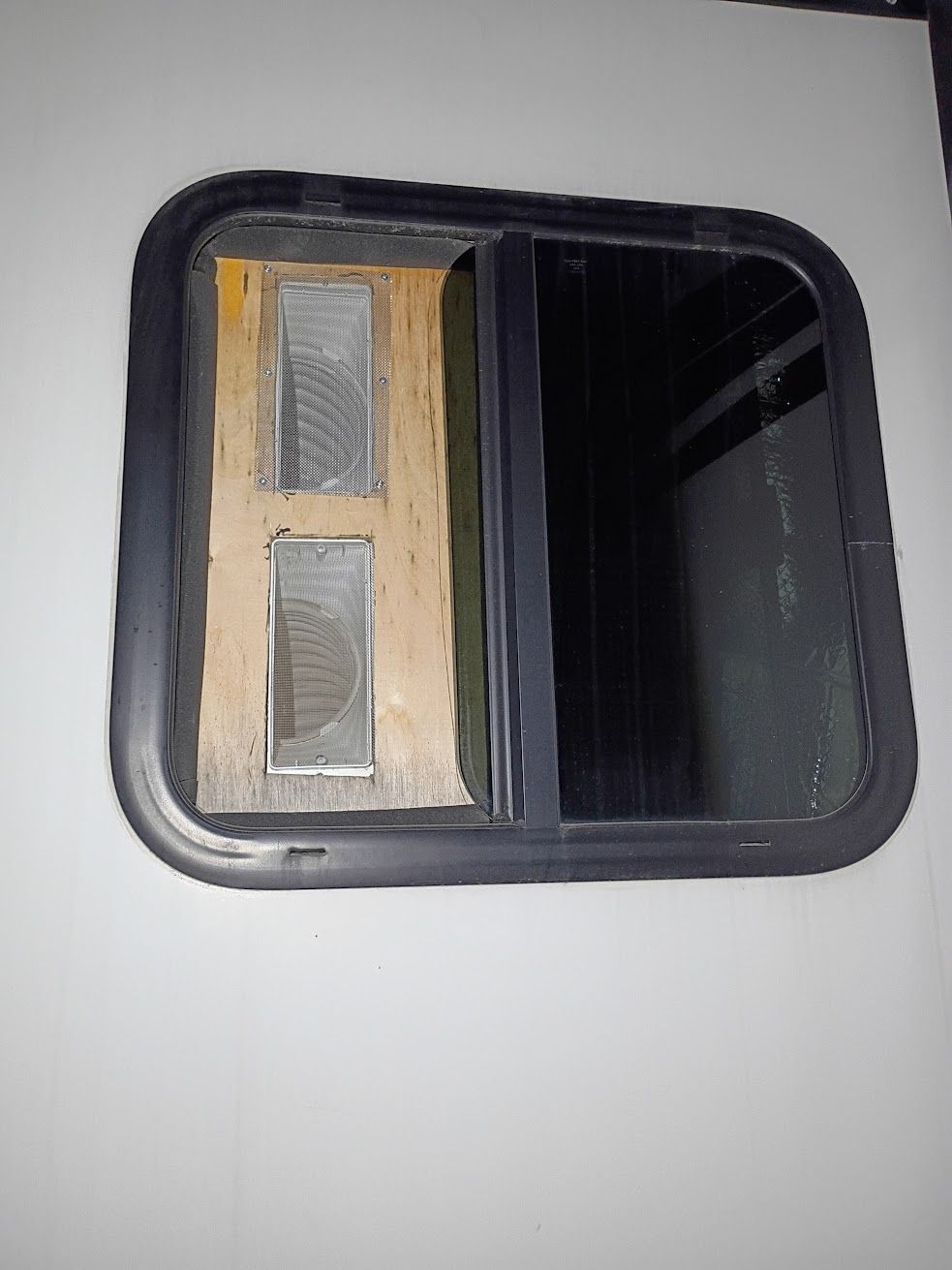
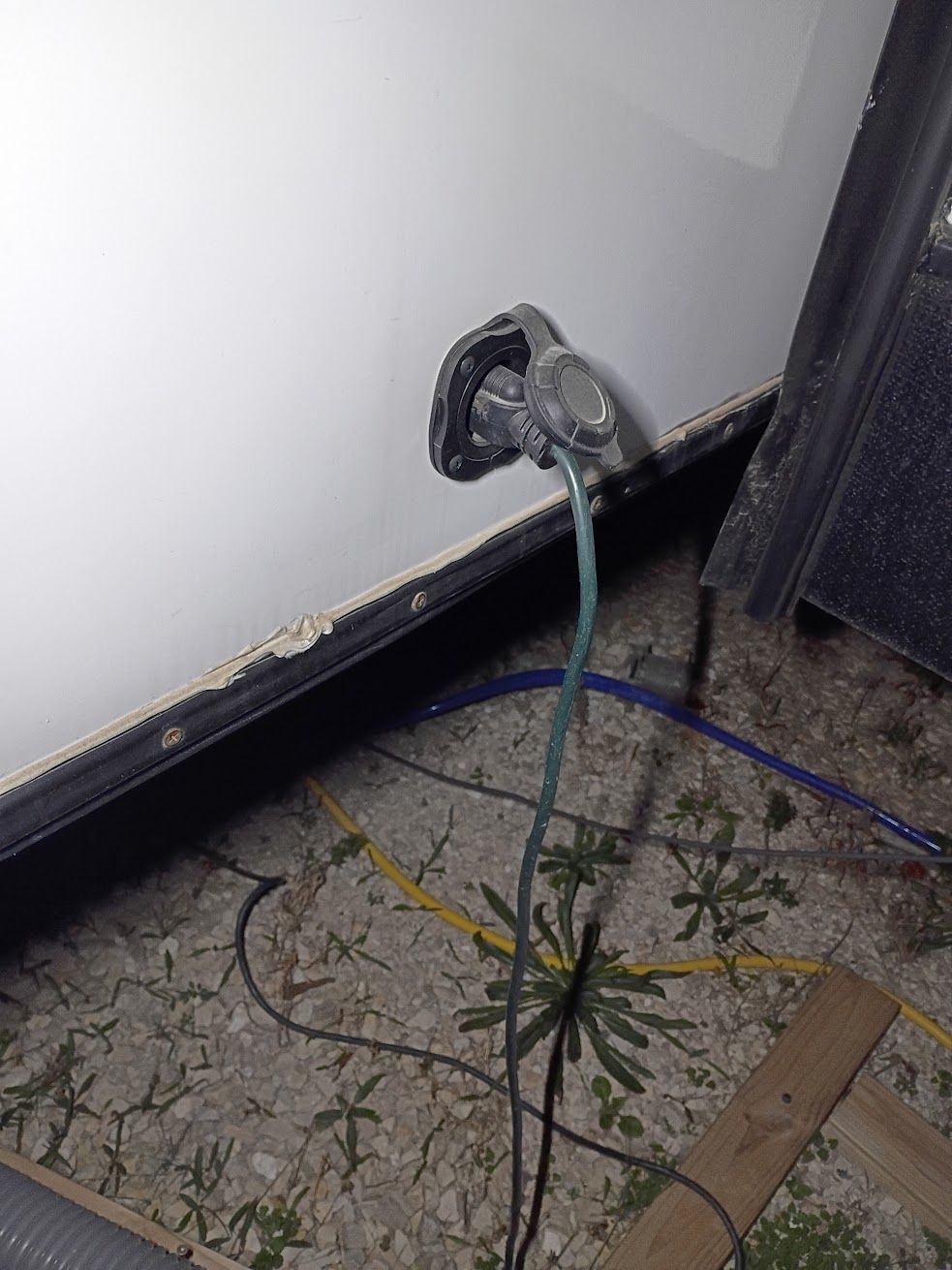
Worth every penny.
Heating: Hans, Get the Flammenwerfer
Heating is where I've struggled the most. For the winter of 2024/2025, I placed 1 inch foam around the bottom of the camper, including the slides, and sealed it off with aluminum foil tape. However, this was not enough!
We had 2 weeks of below 0F weather in February. The furnace was set to 60°F and would run for 3 minutes, kick off for 30 seconds, then start running again. Over the course of those two weeks, it burned through more than a single 100 lbs tank of propane. Worst of all, thanks to the placement of the thermostat near the back of the camper and the generally poor insulation, the head of the bed was still around 0°F. My water also froze a few times, despite the heated hose.
It was damn cold.
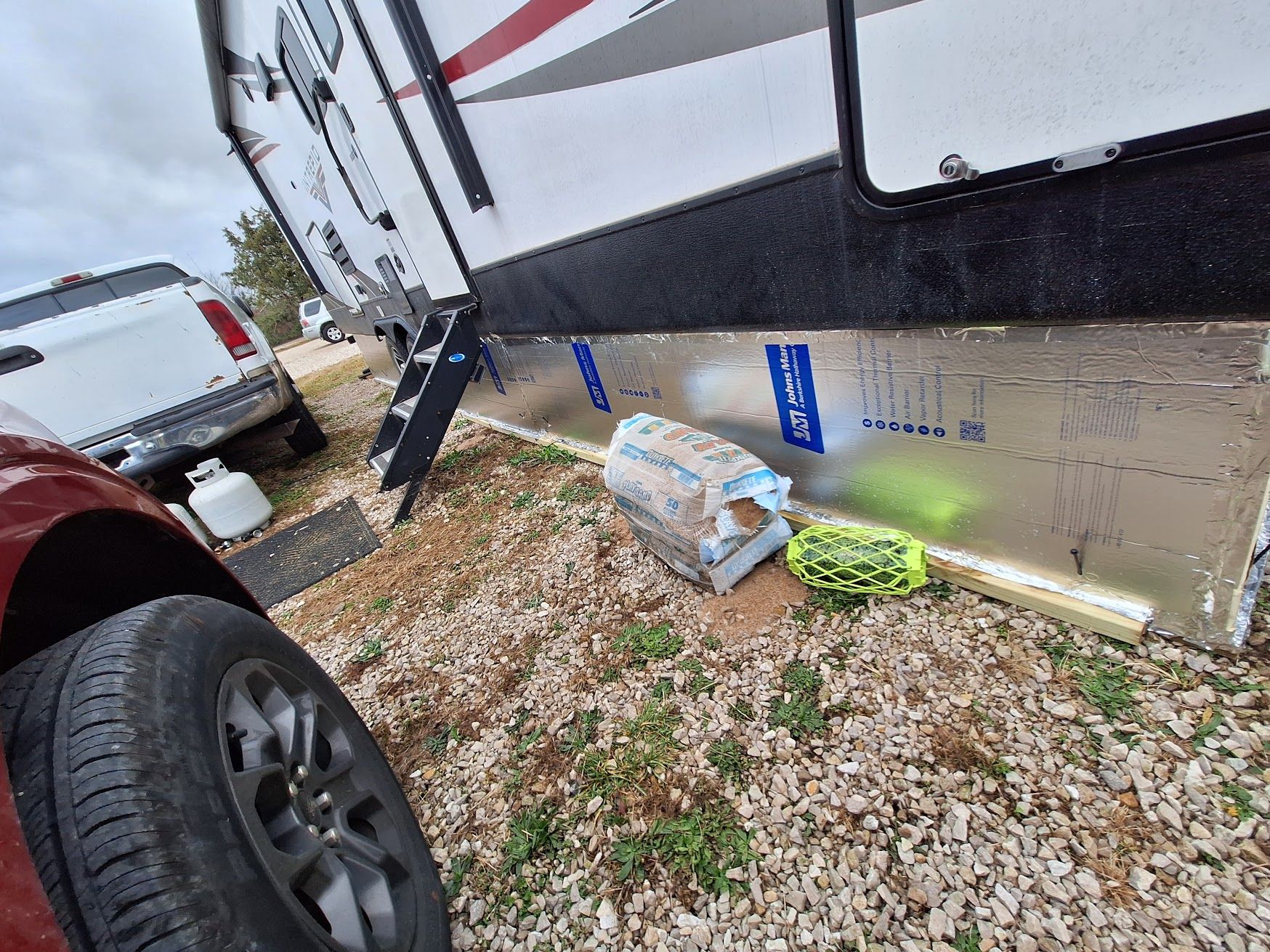
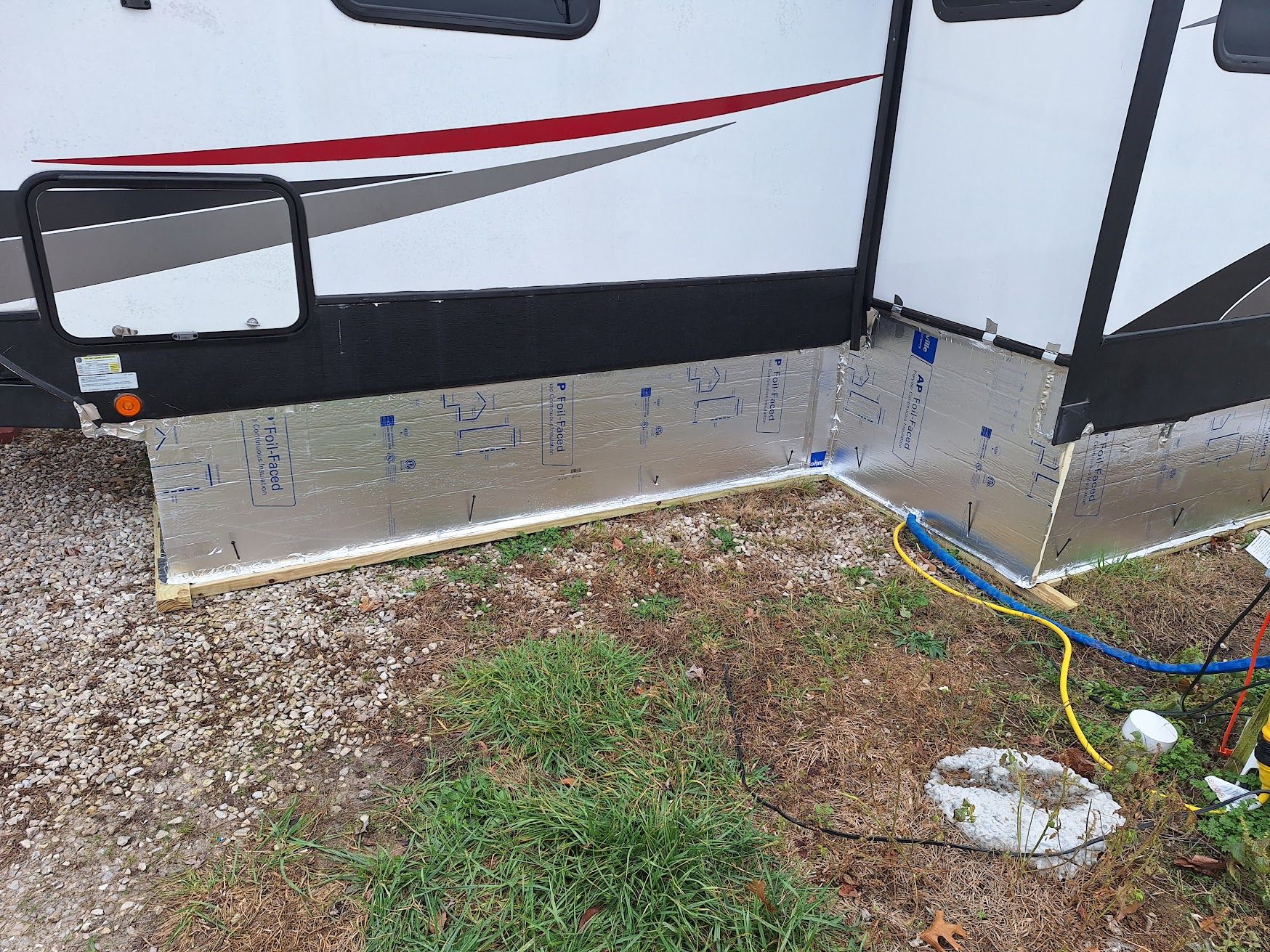
1 inch foam is not enough!
This year, I had planned on using 2 inch foam. That plan is on hold for the moment because I got a new, remote job! Because of that, I'm now able to move the camper to my land about 2 hours away. But, my power/water/septic systems at the land are not yet ready, so I don't want to custom cut (expensive) foam to fit the camper, just in time to move it.
I'm going to try one of these reusable skirts this year. I don't know how well it'll actually work, but I haven't received it yet. I'll install it and use it this winter, then update this page later.
I've also invested in an indoor safe gas buddy propane heater to provide more heat. I also have multiple CO detectors, so don't worry about that.
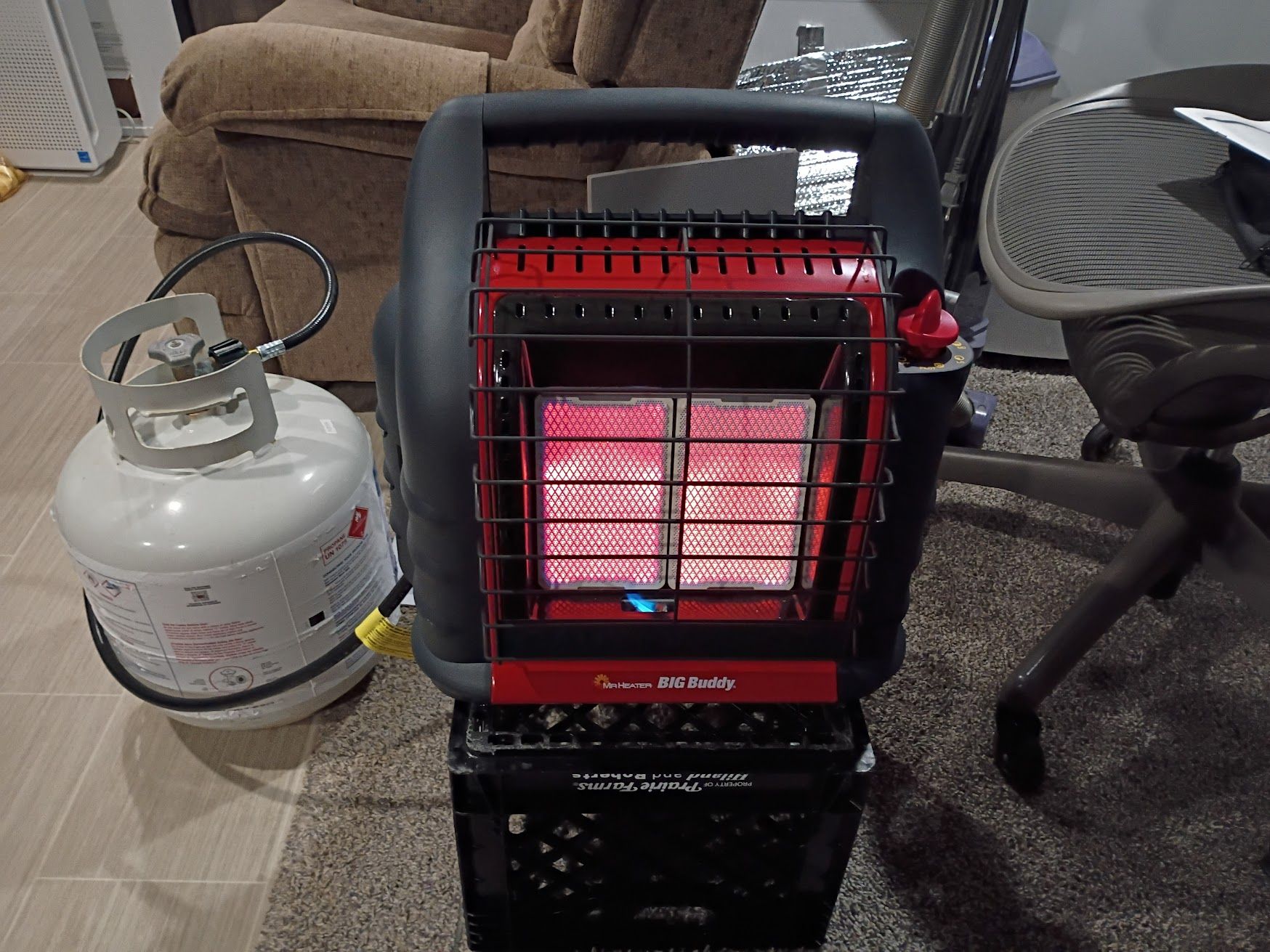
The aforementioned flammenwerfer
A Note On Propane and Propane Accessories
Most RVs use two standard 20 lbs grill propane tanks and have a change over regulator. This is fine for the short term use RVs are designed for, but not for long term use and especially not in the winter.
I currently use two 100 lbs propane tanks, which last much longer. One tank ran my stove and tankless water heater from March to October. In winter, one 100 lbs tank would run the stove, water heater, and furnace for about a month. The furnace also didn't keep it particularly warm on the coldest days.
The biggest downside of the 100 lbs tanks are their sheer mass: they are heavy fuckers and they will hurt you. The 100 lbs value is actually the weight of the propane, not including the tank itself. Add in the tank and you have about 175 lbs, with handles mounted up high, where you don't have a lot of leverage.
I've found a method that makes it relatively easy to move, but it still requires a decent amount of strength (see linked video below). If you aren't confident about it, I'd recommend trying 40 lbs tanks. They'd be a lot easier to handle.
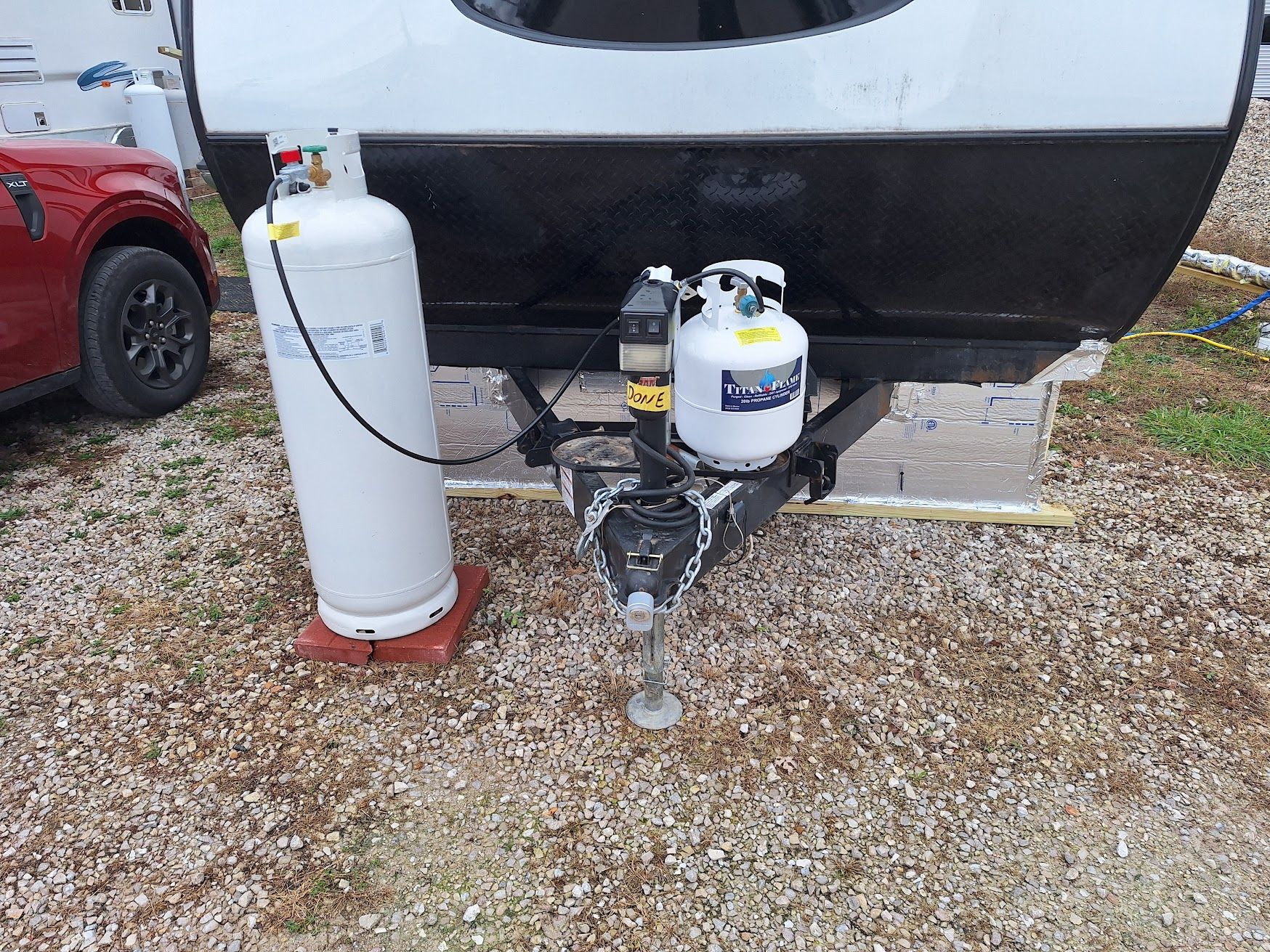
100 lbs vs 20 lbs tanks
How I unload these tanks. Your results may vary.
Pets
Additional thought should be put into your RV before you bring pets along. The confined spaces, poor heating/cooling, and RV park rules may cause you problems.
In my first RV, I had my cat Ziggy with me. He was a lazy old cat who loved spending all his free time on his heating pad, so he didn't mind the small space or poor AC. I cut a cat door into the under bed storage space with a new divider to hide his litter box. I'm not sure where I would have put a litter box in the new camper, so keep this in mind should you need a place for a litter box.
I'm no expert in rabbits or other pets, so I can't help you there.
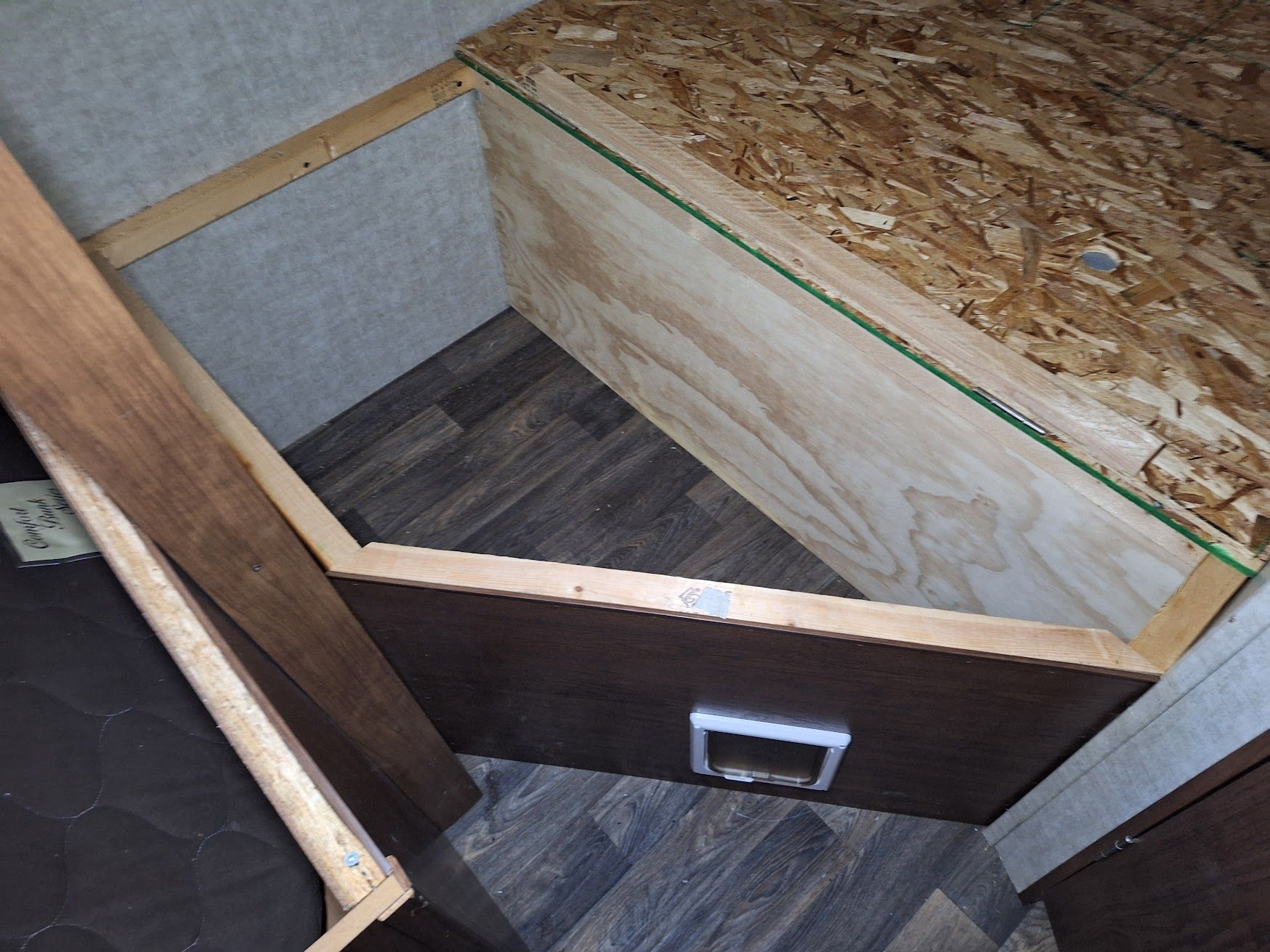

I didn't have to put in a litter box in the new one because Ziggy didn't quite make it to his 17th birthday before the cancer took him from me. I miss ya Ziggy. See his page for more pictures, if you want.
RV Parks and Their Denizens
RV parks are one of the cheapest ways to live, assuming you owe nothing on your camper. That means that sometimes questionable people will move into RV parks and some parks are bad about getting the bad ones out.
State/national parks and RV parks with a rules mentioning the RV must be within 10 years old, in good condition, and forbidding maintenance are your best bet. Even if you don't have such an option available, parks tend to separate long term (month+) and short term guests into different sections.
Even if you stay in a questionable park, you'll probably be fine. Just lock your damn door! I've added a few security cameras to help deter nonsense. Having other... options for defense wouldn't hurt either.
My security camera has only caught me falling down the stairs, fortunately.
Apocryphal Security Concerns
At the RV park I've been at for the last year, I've seen and heard some crazy things and the cops shows show up about once a week. I've never actually felt like I've been in danger, but there are definitely better parks out there. This one is just the closest to my old job.
- One of my neighbors said that our park has "gotten rid of the worst of the meth heads." What an odd thing to say.
- Some lady road up one day, and started to attack a different neighbor. He fended her off by hitting her with a shovel. She was then pulled away while screaming the gamer word, hard R and all. Everyone involved was white.
- One guy got evicted after he pulled a gun on my next door neighbor. She laughed at him and said that she didn't make it to her 80s while trucking and not know how to fight. I... would not have been as polite. I love my neighbor.
- The scariest thing I've heard was a different neighbor who had an ex walk into her (unlocked) camper and cornered her while tripping out on something. Fortunately, he didn't do anything beyond that.
As I said: LOCK YOUR DAMN DOOR.
The Good Things
This page has mostly been me complaining about things and how I've tried to mitigate those complaints. Here are some good things about living in a camper:
You Can Move!
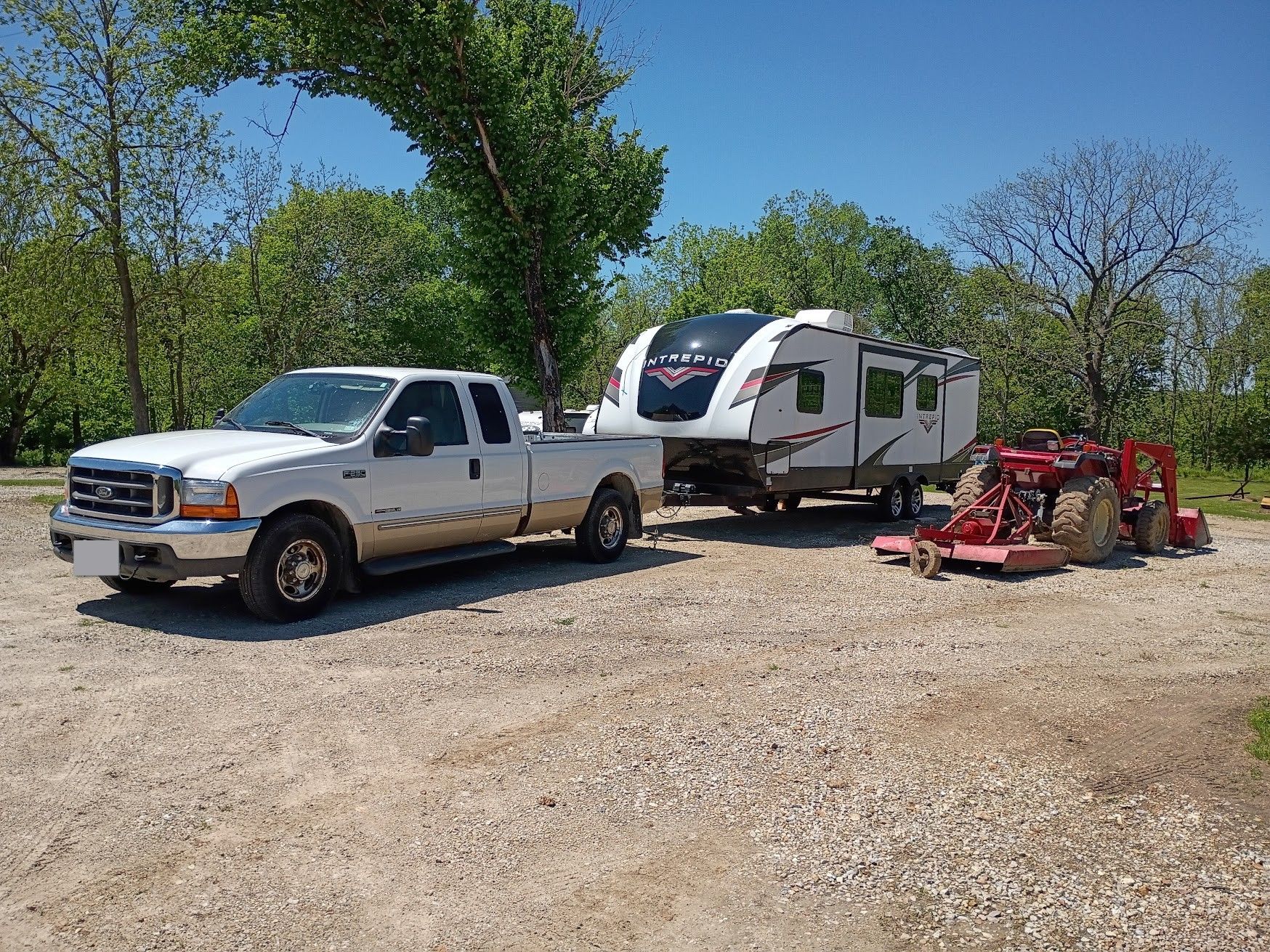
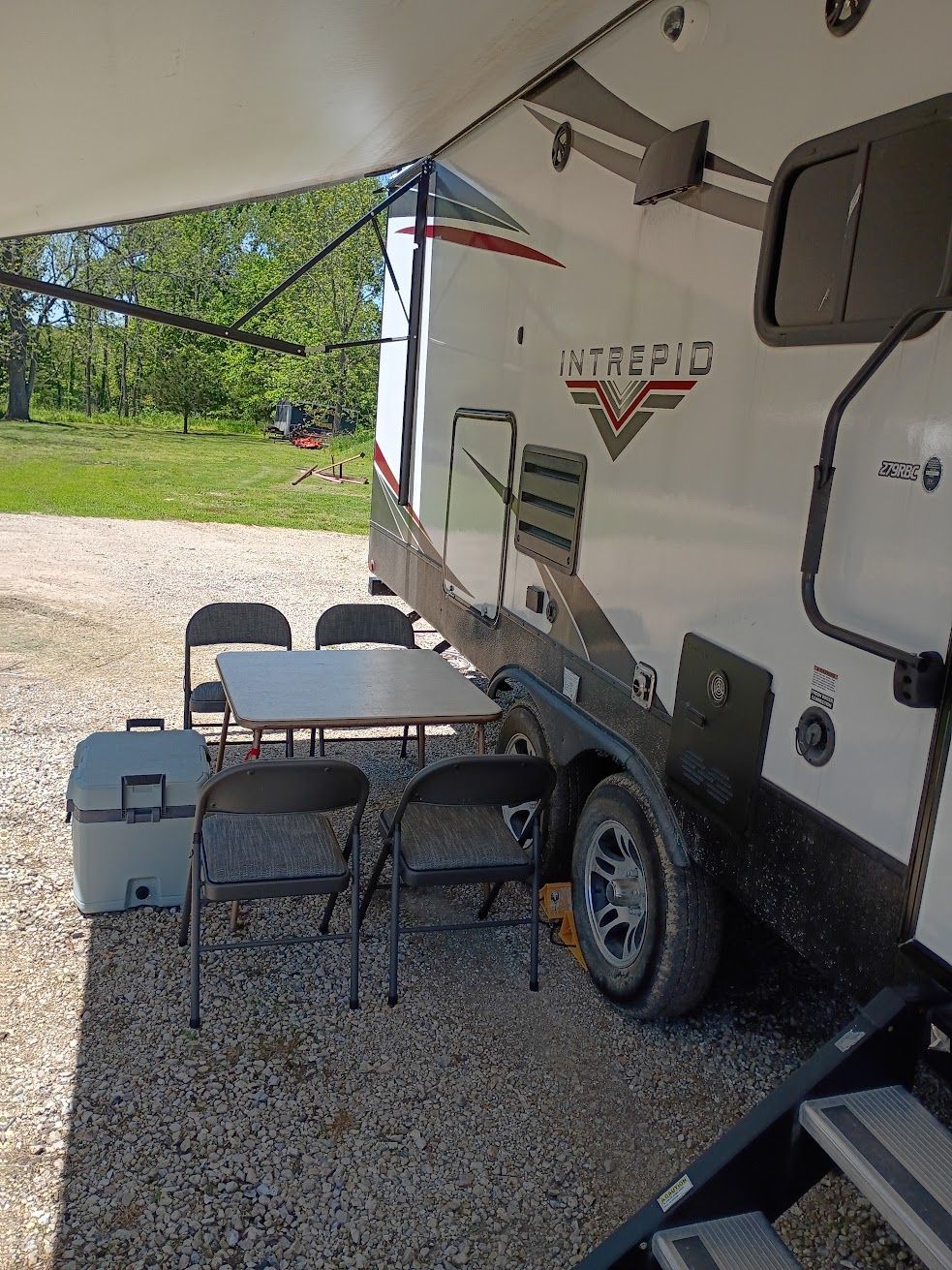
Don't like where you're currently at and want to move someplace else? Remember your RV is on wheels and through burning copious amounts of fuel, you can move it.
There was even that one I time I took it to a gun range for a match so my friends and I didn't have to get a hotel.

The Price Is Right
Assuming you don't owe anything on your RV, RV parks are typically cheaper than rent in an apartment. I'm currently paying $600 a month with all utilities included. There are parks closer to my land that charge $400 a month, but I'm hoping I can just move to my land first and skip the middle man.
I also have a Starlink dish mounted so I actually have decent internet wherever I have a clear view.
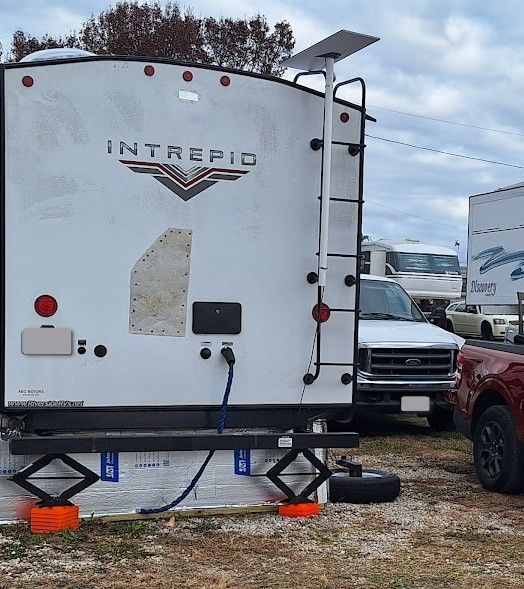
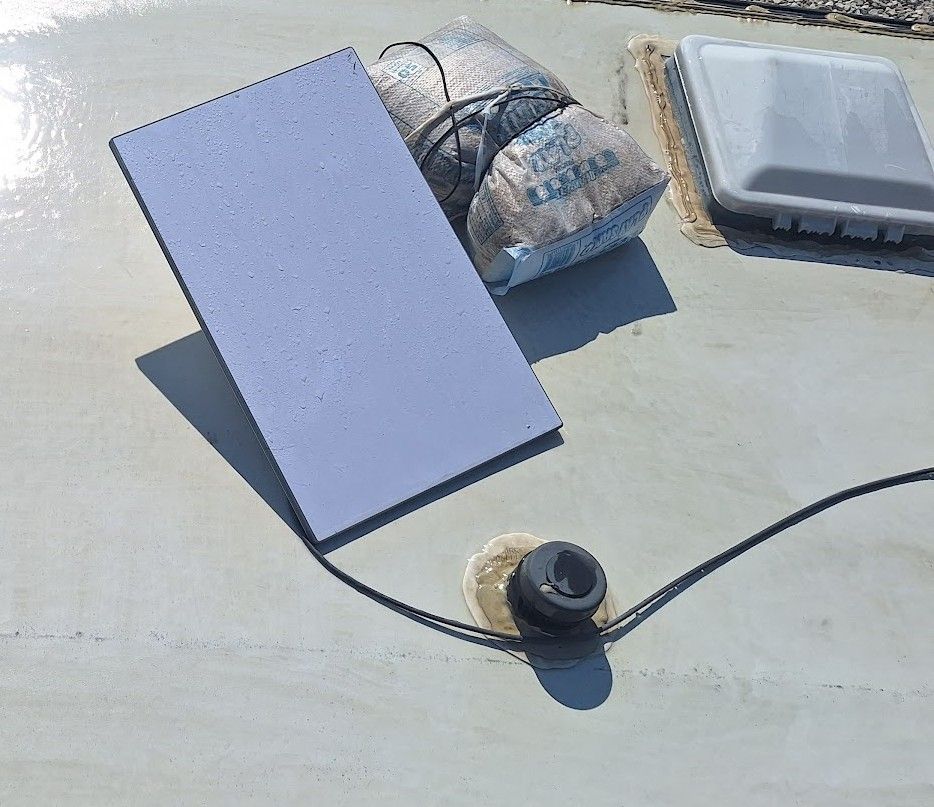
Pole mount the dish if you can. Tie it to a sandbag if you can't. Learned that the hardway. Fortunately it survived the wind storm or two that blew it off before I figured that out.
Tell That RV Park To Pound Sand
Staying month-to-month at an RV park and decide you don't like it because they put you too close to that damn tree blocking your starlink? Just leave at the end of the month! Most RV parks that do month-to-month rentals don't have lease agreements!
Not Too Big, Not Too Small, Just Right
Once you've finally downsized enough to fit everything you need in the camper, having a smaller space is actually quite nice. I have very little space to take care of compared to the large and mostly empty house I was paying a lot more for.